How to Reduce Food Waste With Pantry Planning
Food waste rarely comes from carelessness. It usually comes from good intentions that didn’t quite line up with real life. We buy vegetables because we want to eat better. We save leftovers because we believe we’ll get to them. We plan meals with hope. And then time moves faster than we expected, energy disappears, and food quietly waits until it no longer can.
Pantry planning does not eliminate food waste by demanding discipline. It reduces food waste by creating gentler systems. Systems that accept how life actually works.
The first shift is understanding that food waste is not a moral failure. It is a logistical one. When systems do not match reality, food suffers. The goal is not to shame yourself into wasting less. The goal is to build a kitchen that makes wasting harder.
Pantry planning starts with reliability. Pantry foods last. They wait. They forgive. They do not rush you. When your planning is centered around foods that are patient, you immediately reduce pressure. Pressure is what leads to rushed shopping, rushed decisions, and eventually, forgotten food.
A pantry-first mindset does not mean avoiding fresh food. It means supporting fresh food with stability. Fresh food works best when it is paired with ingredients that can step in when plans change. Rice, beans, lentils, pasta, oats, canned tomatoes, broths, and sauces give your meals a backbone. When that backbone exists, fresh food has a better chance of being used instead of abandoned.
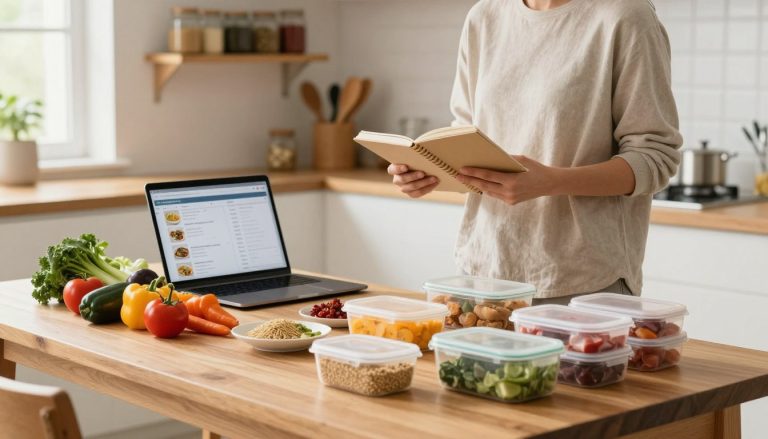
One of the simplest ways to reduce waste is to stop planning meals only from recipes and start planning from ingredients. Instead of asking what you want to cook, you ask what you already have. That question changes everything. It shifts your attention from imagination to reality.
When you look at your pantry and fridge first, you begin to see meals differently. Leftover rice is no longer a leftover. It is tomorrow’s base. Half a jar of sauce is no longer clutter. It is a direction. Soft vegetables are no longer disappointing. They are soup waiting to happen.
Pantry planning also works because it encourages overlap. When ingredients appear in multiple meals, they are more likely to be finished. Rice becomes bowls, soups, and sides. Beans become stews, spreads, and fillings. Pasta becomes hot meals and cold salads. Overlap gives ingredients multiple chances to be used.
Another important part of reducing waste is cooking neutrally. When you cook ingredients with simple seasoning, they travel more easily. Strongly flavored food often locks itself into one role. Neutral food stays flexible. Flexible food gets reused.
Flexibility is one of the strongest defenses against waste.
Pantry planning also changes how you see leftovers. Leftovers are not failed meals. They are ingredients that have already done part of the work. When you treat leftovers as components instead of obligations, you use them more often. A container in the fridge becomes an opportunity instead of a burden.
Food waste often happens because leftovers feel emotionally heavy. Pantry planning removes that weight by giving leftovers a future role instead of a fixed identity.
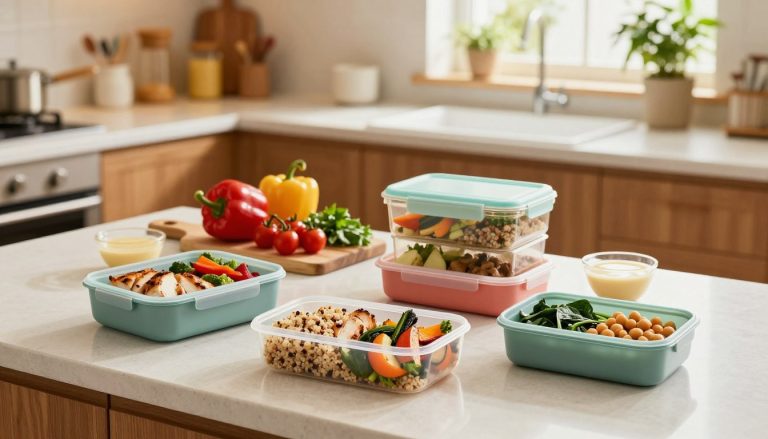
Another gentle habit is keeping food visible. Food that hides gets forgotten. Food that is seen gets used. Clear containers, front-of-fridge placement, and simple organization are not about aesthetics. They are about memory. When you can see what you have, you are more likely to respect it.
Pantry planning also helps you shop more realistically. When you know what your pantry already supports, you stop buying ingredients for imaginary meals. You start buying ingredients for real ones. This reduces both waste and spending.
Shopping with your pantry in mind is one of the quietest but most powerful waste-reduction tools.
Another important shift is learning to plan for continuation. You do not cook to finish a meal. You cook to begin a cycle. Today’s lentils become tomorrow’s soup. Today’s rice becomes tomorrow’s bowl. When you cook with tomorrow in mind, food naturally lasts longer.
Pantry planning also teaches patience. You stop expecting every ingredient to be used immediately. You trust that shelf-stable foods will wait. This trust allows you to focus on using the foods that truly need attention first.
Using what needs to be used first is not about urgency. It is about awareness.
Another powerful habit is cooking smaller amounts more often. Large batches sometimes lead to fatigue. You get tired of eating the same thing. You avoid it. It spoils. Smaller portions reduce emotional resistance. When leftovers feel manageable, they are more likely to be eaten.
Pantry planning also helps because pantry foods accept small portions gracefully. Cooking half a cup of lentils or one cup of rice feels normal. There is no pressure to overproduce.
Another important practice is building meals from what is already open. Open jars, half-used bags, and partially cooked foods deserve priority. Planning meals around these items gives them purpose again. It turns clutter into structure.
Pantry planning also reduces waste by reducing panic. When you know you can always make a meal from your pantry, you are less likely to overbuy fresh food out of fear. You stop shopping defensively. You start shopping intentionally.
Defensive shopping creates waste.
Intentional shopping prevents it.
Another subtle benefit is emotional. When your pantry supports you, you stop feeling anxious about food. You stop feeling like you are always behind. That calm changes how you use what you have.
Calm kitchens waste less.
Pantry planning also encourages respect for food’s journey. You see ingredients as something that can evolve instead of expire. You stop thinking in deadlines. You start thinking in possibilities.
Possibility extends usefulness.
Another helpful habit is freezing intentionally. You freeze portions before you are tired of them. You freeze soups, grains, sauces, and beans in small amounts. Freezing is not a last resort. It is a pause button. It allows food to wait for a better moment.
Waiting is often what food needs.
Pantry planning also teaches you to accept simple meals. Bread and spread. Rice and sauce. Soup and toast. These meals finish ingredients gently. They do not waste effort or expectation.
Simplicity is one of the most effective waste-reduction tools.
Another important shift is letting go of guilt when food does spoil. Guilt does not reduce waste. It only creates anxiety. Anxiety makes planning harder. A calm response allows learning. You notice patterns. You adjust. You move forward.
Learning reduces waste more than shame ever could.
Pantry planning also builds gratitude. You start noticing how much food you truly have. You stop feeling deprived. You start feeling supported. Gratitude naturally leads to respect. Respect naturally leads to care.
Care reduces waste.
Another benefit is creativity without pressure. You are not forcing yourself to invent. You are allowing ingredients to guide you. This guidance makes cooking feel cooperative instead of demanding.
Pantry planning also respects that life is unpredictable. Some days you will cook. Some days you will not. Pantry foods bridge those gaps. They prevent fresh food from carrying all the responsibility.
Fresh food should be enjoyed, not burdened.
Another gentle practice is ending meals with awareness. You notice what is left. You think briefly about what it might become. This small awareness changes how often food gets used.
Intention does not require effort.
It only requires attention.
Pantry planning reduces food waste not because it is strict, but because it is kind. It does not rush you. It does not pressure you. It supports you quietly.
It reminds you that food does not need perfection.
It needs partnership.
When your pantry works with you, food stops being something you manage and starts being something you care for.
And when food is cared for, it is far less likely to be wasted.
Not because you tried harder.
But because your system finally made it easier.
That is what pantry planning truly offers.
Not control.
Not guilt.
Not rules.
Just a gentler way to let food finish its story. In your kitchen. At your pace. With respect.