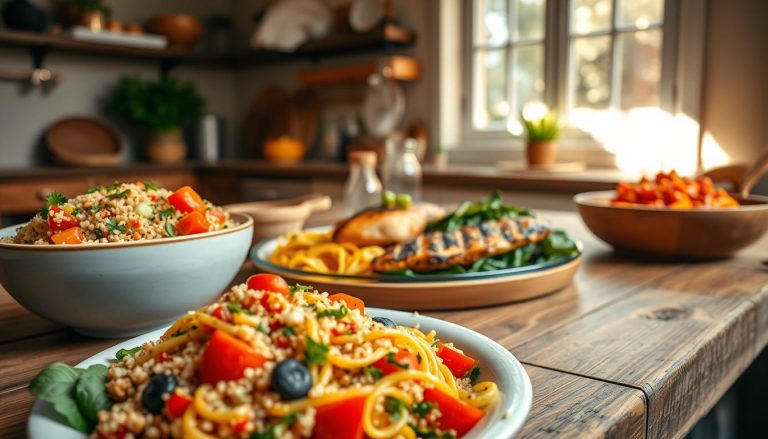
Did you know that nearly 65% of the global population has some degree of lactose intolerance? This means that millions of people worldwide struggle to enjoy meals that others take for granted. You don’t have to be one of them.
Embracing lactose-free cuisine can be a game-changer for families and individuals with dietary restrictions. You can nourish your loved ones without sacrificing flavor or variety. Our lactose-free recipes and cooking tips will help you create satisfying meals that everyone can enjoy.
By exploring the world of lactose-free cuisine, you’ll discover a wealth of delicious and easy-to-make dishes that cater to different tastes and dietary needs. You can trust that our guidance will help you navigate mealtime with confidence and calm.
Understanding Lactose Intolerance
If you feel uncomfortable after eating dairy, lactose intolerance might change your diet. It’s not just about avoiding milk. It’s about how your body handles lactose, a sugar in dairy, and making choices to ease your symptoms.
What is Lactose Intolerance?
Lactose intolerance happens when your body can’t make enough lactase. This enzyme breaks down lactose. It’s different from a milk allergy, which is an immune reaction. Lactose intolerance is about digestion, not an allergic reaction.
Symptoms You May Experience
Symptoms of lactose intolerance vary but often include bloating, gas, diarrhea, and stomach cramps. How bad these symptoms are depends on how much lactose you eat and how little lactase you have.
To understand symptoms better, let’s compare them:
| Symptom | Description | Common Triggers |
|---|---|---|
| Bloating | Feeling uncomfortably full or swollen | Milk, ice cream, soft cheeses |
| Gas | Passing gas or feeling gassy | Dairy-based beverages, certain cheeses |
| Diarrhea | Loose, watery stools, or a feeling of urgency | High-lactose foods, dairy-rich desserts |
Common Misconceptions
Many think you must avoid all dairy if you’re lactose intolerant. But, some can handle small amounts without issues. Another myth is that lactose intolerance is the same as a dairy allergy. They are not the same, and each affects your diet differently.
Knowing about lactose intolerance helps you make better diet choices. You can pick lactose-free products, try non-dairy options, or just watch your lactose intake. There are many ways to manage lactose intolerance well.
Nutritional Benefits of Going Lactose-Free
Going lactose-free is more than just avoiding dairy. It opens up a world of nutritious alternatives. You’ll find foods that are easy on your stomach and packed with important nutrients.
Essential Nutrients to Consider
Switching to a lactose-free diet means making sure you get enough calcium, vitamin D, and protein. These are often found in dairy, so you need to look elsewhere. You can find calcium in kale and broccoli, and vitamin D in sunlight and fortified plant-based milk.
For protein, try beans, lentils, and tofu. They’re not only high in protein but also versatile. Many lactose-free products are now fortified with these nutrients, helping you keep your diet balanced.
Alternatives to Dairy Products
There are many dairy-free options that can replace traditional dairy. For example, you can use almond milk, soy milk, or oat milk instead of cow’s milk. These can be great in cereal, smoothies, or cooking.
For yogurt, coconut yogurt or almond yogurt are good choices. And for cheese lovers, there are dairy-free cheeses made from nuts, soy, or coconut oil. These alternatives taste and feel like dairy but without the lactose.
Exploring these lactose-free alternatives lets you enjoy a wide range of nutritious foods. This supports your health and wellbeing.
Delicious Lactose-Free Breakfast Ideas
Breakfast is a great time to try lactose-free foods. You can enjoy sweet treats or savory dishes. There are many tasty and healthy lactose-free breakfasts to try.
Smoothie Bowls and Adaptations
Smoothie bowls are a tasty lactose-free breakfast. Blend your favorite fruits with non-dairy milk. Then, top it with granola, nuts, or fresh fruits.
A berry smoothie bowl with almond milk, chia seeds, and sliced almonds is a hit. Try different combinations to find your favorite.
“The key to a great smoothie bowl is in the toppings. Be creative with your choices to add texture and flavor.”
Omelets and Scrambles
Omelets and scrambles are great lactose-free breakfasts. You can fill them with many ingredients. Use non-dairy cheese or add veggies and lean proteins.
A spinach and mushroom omelet is both hearty and tasty. Add herbs and spices for extra flavor.
Overnight Oats Varieties
Overnight oats are easy and delicious. Mix rolled oats with non-dairy milk and refrigerate overnight. In the morning, you get a creamy breakfast.
Try adding fruits, nuts, or cocoa powder for different flavors. A peanut butter banana version is both tasty and filling.
Adding these lactose-free breakfasts to your routine makes mornings better. You can pick from quick breakfasts or leisurely brunches. There’s something for everyone.
Flavorful Lactose-Free Lunch Options
Enjoy delicious and healthy lactose-free lunches. You can find many tasty meals that fit your diet without losing flavor.
Salads Packed with Flavor
Salads are perfect for a lactose-free lunch. Mix fresh veggies, fruits, and proteins to make a tasty salad. Add grilled chicken, avocado, and nuts for extra flavor and nutrition.
Try a quinoa salad with roasted veggies and citrus vinaigrette for a refreshing taste. Experiment with different ingredients to find your favorite.

Hearty Sandwiches
Sandwiches are great for lactose-free lunches. Use various breads and fillings for a meal that’s both tasty and filling. Try turkey or chicken with avocado and veggies.
Use hummus or avocado spread instead of mayo for a dairy-free option. It adds creaminess without lactose.
Dairy-Free Dressings
No salad is complete without a tasty dressing. Luckily, there are many dairy-free options. Make your own with olive oil, lemon juice, and herbs.
| Dressing Type | Main Ingredients | Taste |
|---|---|---|
| Vinaigrette | Olive oil, lemon juice, Dijon mustard | Tangy and refreshing |
| Creamy | Cashew cream, apple cider vinegar, herbs | Rich and creamy |
Try these lactose-free lunch ideas for tasty and healthy meals. Experiment with recipes and ingredients to find your favorites.
“The way we eat is a reflection of our relationship with food, and adopting a lactose-free lifestyle can be a journey of discovery and nourishment.”
Tasty Lactose-Free Dinner Recipes
You don’t have to give up flavor for lactose-free dinners. Here are some tasty options that will make mealtime a joy. Lactose-free dinners are diverse and delicious, offering many choices for everyone.
Pasta Alongside Creamy Alternatives
Pasta lovers, rejoice! You can still enjoy creamy pasta dishes without lactose. Use dairy-free alternatives like cashew cream or soy-based creamer for a rich texture. For vegan mac & cheese, check out Taste of Home for great recipes.
Coconut milk or almond milk are also great for creamy sauces. These alternatives taste delicious and meet various dietary needs.
Grilled Meats and Veggies
Grilling is a great way to make dinner without lactose. Marinate meats and veggies in flavorful lactose-free sauces. You can grill chicken, beef, tofu, or portobello mushrooms.
Enjoy your grilled food with roasted veggies or a fresh salad. The secret is to try different marinades and seasonings to find your favorites.
One-Pan Casseroles
One-pan casseroles are perfect for busy cooks and can be lactose-free. Use dairy-free cheese alternatives and choose ingredients wisely. For ideas, visit Planned From The Pantry.
These casseroles are easy and let you get creative. Mix rice, beans, veggies, and protein to make a meal that’s both healthy and tasty.
Satisfying Lactose-Free Snacks
Embracing a lactose-free lifestyle just got easier with these tasty snacks. You don’t have to give up on flavor or texture. There are many healthy options to keep your snacking exciting.
Crunchy Veggie Chips
Crunchy veggie chips are a simple and delicious lactose-free snack. They’re made from veggies like sweet potatoes, kale, or beets. These chips are not only tasty but also full of nutrients. You can find them in health food stores or make your own at home.
Benefits of Veggie Chips:
- Made from real vegetables, offering a good dose of fiber and vitamins
- Often baked, not fried, reducing the fat content
- Available in a range of flavors to suit any taste
Yogurt Substitutes
For those who miss yogurt’s creaminess, there are great dairy-free alternatives. Made from almond milk, coconut milk, or soy milk, these yogurts are lactose-free. They also offer a different nutritional profile that can be good for your diet.
| Dairy-Free Yogurt Type | Base | Protein Content |
|---|---|---|
| Almond Yogurt | Almond Milk | Low |
| Coconut Yogurt | Coconut Milk | Medium |
| Soy Yogurt | Soy Milk | High |
Homemade Energy Bars
Making your own energy bars at home is a great idea. You can make them lactose-free and tailored to your taste. Use oats, nuts, dried fruits, and dairy-free chocolate to create healthy and satisfying bars.
Tips for Making Homemade Energy Bars:
- Choose a base ingredient like oats or nuts for texture and nutrition
- Add dried fruits or dairy-free chocolate for natural sweetness
- Use a binding agent like honey or nut butter to hold the bars together
By adding these lactose-free snack options to your daily routine, you can enjoy a variety of flavors and textures. Whether you’re in the mood for something crunchy, creamy, or chewy, there’s a lactose-free snack for you.
Decadent Desserts Without Lactose
Explore the world of rich lactose-free desserts that everyone can enjoy. Now, you can indulge in your favorite sweet treats without the discomfort of lactose intolerance.
Dairy-Free Ice Cream Recipes
Summer is the perfect time for a cool, creamy ice cream. With dairy-free ice cream recipes, you can still enjoy this treat. Made with coconut milk, almond milk, or cashew cream, these ice creams are as rich and satisfying as the traditional kind.
- Coconut milk-based chocolate ice cream
- Almond milk-based vanilla ice cream
- Cashew cream-based strawberry ice cream
Lactose-Free Baking Ideas
Baking can be tricky with lactose intolerance. But, with the right substitutes, you can still enjoy your favorite baked goods. Use almond milk, soy milk, or coconut milk instead of regular milk. Choose dairy-free margarine or coconut oil instead of butter.
| Dairy Product | Lactose-Free Alternative |
|---|---|
| Milk | Almond milk, Soy milk, Coconut milk |
| Butter | Dairy-free margarine, Coconut oil |
| Yogurt | Coconut yogurt, Almond yogurt |
Fruit-Based Sweet Treats
Fruit-based desserts are naturally lactose-free and a refreshing way to satisfy your sweet tooth. From fruit salads to baked apples, the options are endless. You can also make them more decadent by adding dairy-free whipped cream or chocolate sauce.
Tips for Making Fruit-Based Desserts:
- Choose seasonal fruits for the best flavor.
- Experiment with different spices like cinnamon or nutmeg.
- Add a dairy-free whipped cream for extra indulgence.
By embracing these lactose-free dessert ideas, you can enjoy a wide range of sweet treats without worrying about lactose intolerance. Whether you’re making dairy-free ice cream, lactose-free baked goods, or fruit-based desserts, there’s something for everyone to enjoy.
Cooking Tips for Lactose-Free Meals
With a few simple substitutions, you can enjoy your favorite dishes without the dairy. Lactose-free cooking is all about making smart choices that don’t compromise on taste or texture.
Substituting Dairy in Recipes is easier than you think. You can replace traditional dairy products with lactose-free alternatives in most recipes. For instance, almond milk, soy milk, or coconut milk can be used in place of regular milk.
Substituting Dairy in Recipes
When it comes to substituting dairy, it’s essential to choose the right alternative. Here are some popular dairy substitutes:
- Coconut milk for creamy sauces
- Almond milk or soy milk for cereal or baking
- Lactose-free yogurt or coconut yogurt for desserts
- Vegan cheese for an alternative to traditional cheese
Experimenting with different substitutes can help you find the perfect match for your recipes. Remember, the key is to taste as you go and adjust the seasoning.

Flavor Enhancements
Enhancing the flavor of your lactose-free meals can be achieved through various techniques. Using herbs and spices is a great way to add depth without relying on dairy. For example, a sprinkle of paprika or a dash of cumin can elevate your dishes.
Other flavor enhancers include citrus juices, garlic, and ginger. These ingredients can add a burst of flavor to your meals. Don’t be afraid to try new combinations to find what works best for you.
By incorporating these tips into your cooking routine, you’ll be well on your way to creating delicious lactose-free meals that everyone can enjoy.
Popular Lactose-Free Brands to Explore
Exploring popular lactose-free brands is key to a lactose-free lifestyle. There are many options, so it’s important to find high-quality products that meet your needs.
Dairy Alternatives to Look For
Finding the right dairy alternatives is crucial when going lactose-free. Brands like Almond Breeze and So Delicious offer almond milk, soy milk, and coconut milk. These are not only lactose-free but also packed with nutrients.
If you’re looking for lactose-free yogurt, Kite Hill and So Delicious have great options. They use almond milk and coconut milk, offering creamy textures and rich flavors.
Leading Lactose-Free Products
Some brands stand out in the lactose-free market. Daiya Foods is famous for its vegan cheese alternatives that are lactose-free. It’s a top choice for those with dietary restrictions.
Lactaid is another brand to consider. They specialize in lactose-free dairy products like milk and ice cream. Their products are easy to digest, making them perfect for those with lactose intolerance.
By checking out these popular lactose-free brands and products, you can make smart choices for your diet. You’ll find a variety of tasty and healthy options.
The Role of Lactose-Free Diets in Health
Choosing a lactose-free diet can make your gut healthier and more. It’s key to know how these diets affect your health.
Impact on Gut Health
A lactose-free diet can greatly improve your gut health. It reduces the load on your digestive system. This might lead to a more balanced gut microbiome.
Studies show that changing your diet can deeply affect your gut. Lactose-free diets are no different. For more info, check out PMC.
Lactose intolerance makes it hard to digest lactose, a milk sugar. Not digesting lactose can cause discomfort. A lactose-free diet can ease these symptoms and improve digestion.
Weight Management and Lactose-Free
Lactose-free diets can also help with weight management. Some people find it easier to control their weight by cutting out lactose. This might be because they eat fewer calories or choose more nutritious foods.
| Dietary Change | Potential Benefit |
|---|---|
| Reducing lactose intake | Alleviating digestive discomfort |
| Shifting to lactose-free alternatives | Maintaining nutritional balance |
| Focusing on whole foods | Improving overall diet quality |
By making smart diet choices, you can improve your health. Whether you have lactose intolerance or just want to eat better, a lactose-free diet is worth considering.
Engaging with the Lactose-Free Community
Living without lactose is easier with a supportive community. Connecting with others who eat like you can offer great help and tips.
Online Support Groups
Online forums and social media groups are key for people with similar interests. For those on a lactose-free diet, these places are perfect for asking questions, sharing recipes, and getting support from others who get it.
- Facebook Groups: Join groups focused on lactose-free living to connect with like-minded people.
- Reddit: Look for subreddits about dietary restrictions for advice and support.
- Specialized Forums: Websites and forums for dietary restrictions often have lactose-free sections.
Local Events and Workshops
Local events and workshops let you meet people face-to-face. They’re great for learning new cooking skills, trying lactose-free products, and meeting others who share your interests.
- Cooking Classes: Find cooking classes that focus on lactose-free or dairy-free dishes.
- Food Festivals: Go to food festivals with lactose-free vendors or products.
- Support Groups: Some areas have in-person support groups for those with dietary restrictions.
Getting involved with the lactose-free community can really help you stick to your diet. Whether it’s online or in person, these connections can make a big difference in your journey.
Final Thoughts on Lactose-Free Living
You’ve started your journey to a lactose-free life. Now, it’s time to make it a regular part of your day. Living without lactose can be very rewarding. You get to try new tastes and recipes that fit your diet.
Making Lactose-Free a Habit
To make lactose-free living a habit, start by adding lactose-free recipes to your meal plans. Try new ingredients and cooking ways to keep your meals interesting. As you get better at lactose-free cooking, choosing foods that fit your diet will become easier.
Continuing Your Lactose-Free Journey
Keep going on your lactose-free path, even when it gets tough. It’s okay to try new things and make mistakes. Be patient and kind to yourself as you explore this new way of eating. With the help of the knowledge and resources you have, you’re on your way to a fulfilling lactose-free life.