As a caregiver, you want the best for your family, including the food they eat. Choosing non-GMO meals is a smart choice. It ensures you’re giving them wholesome, nutritious food.
In this article, we’ll dive into the world of organic non-GMO meals. You’ll get practical tips and tasty recipes to start with. There’s even a complete recipe card for meals your family will enjoy.
By picking non-genetically modified ingredients, you’re serving your family healthy, sustainable meals. Let’s begin this journey to nourishing meals that bring your family closer together.
What Does Non-GMO Really Mean?
The term ‘non-GMO’ has become more popular. But what does it really mean? Knowing the difference between GMO and non-GMO is key when choosing healthier foods.
Understanding GMO vs. Non-GMO
GMO stands for Genetically Modified Organism. It means the organism’s genes have been changed through genetic engineering. Non-GMO, on the other hand, means the product hasn’t been genetically altered. The difference between GMO and non-GMO is important. It affects the food’s makeup and its health and environmental impact.
To know if a product is non-GMO, look for non-GMO certification. This involves strict testing and verification. The Non-GMO Project is a top organization that offers this certification. It ensures products meet high standards.
Benefits of Choosing Non-GMO Ingredients
Choosing non-GMO ingredients has many benefits. It means less exposure to genetically modified organisms and supports sustainable farming. Non-GMO foods are often seen as higher quality and more natural.
| Benefits | GMO | Non-GMO |
|---|---|---|
| Genetic Modification | Genetically modified | Not genetically modified |
| Certification Process | No specific certification | Rigorous testing and verification |
| Agricultural Impact | Potential environmental risks | Supports sustainable agriculture |
By choosing non-GMO products, you make a healthier choice for yourself and your family. You also help support a sustainable food system. Always look for non-GMO labeling to make sure your food choices match your values.
Why Choose Non-GMO for Your Family?
As a parent, you want the best for your family. Choosing non-GMO foods is a great start. It means avoiding genetically modified organisms in your diet. But what does this mean, and why is it important?
Health Benefits of Non-GMO Foods
Choosing non-GMO foods offers several health benefits. These foods come from ingredients not genetically altered. This can lower the risk of health problems. Some studies link GMO foods to health issues, but more research is needed.
By choosing non-GMO, you’re choosing a natural way to feed your family.
For more details on non-GMO foods’ advantages, check out this resource. It offers insights into non-GMO ingredients’ benefits.

Environmental Impact of Non-GMO Choices
Choosing non-GMO foods also has a big environmental impact. Non-GMO farming supports biodiversity and soil health. This helps create a more sustainable food system.
Supporting non-GMO agriculture helps maintain ecological balance. It also reduces your family’s environmental footprint.
Some key environmental benefits include:
- Promoting biodiversity through varied crop cultivation
- Improving soil health with sustainable farming practices
- Reducing the use of genetically modified seeds that can lead to monoculture farming
By choosing wisely, you’re improving your family’s health and the planet’s future.
Delicious Non-GMO Meal Ideas
Start your journey to healthier eating with our non-GMO meal ideas that your whole family will love. Eating non-GMO doesn’t have to be restrictive. Instead, it’s an opportunity to explore a variety of organic non-GMO recipes that are both nutritious and delicious.
Breakfast: Non-GMO Banana Pancakes
Begin your day with a stack of fluffy Non-GMO Banana Pancakes. They’re made with ripe bananas, non-GMO flour, and a hint of cinnamon. This breakfast treat is not only delicious but also a great way to incorporate non-GMO ingredients into your morning routine.
Lunch: Quinoa and Black Bean Salad
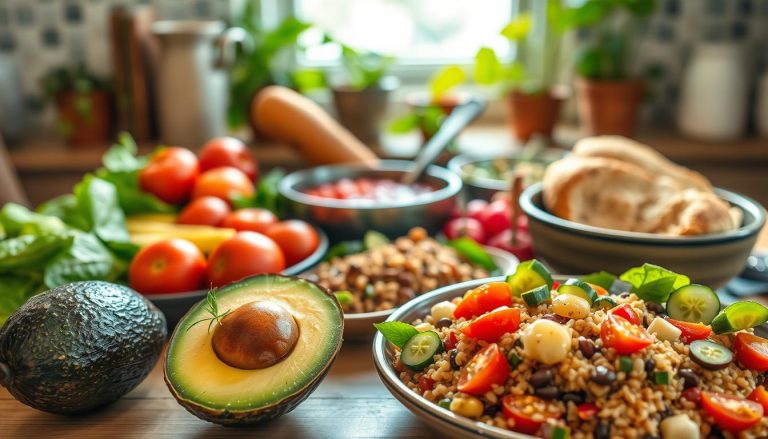
For a satisfying lunch, try our Quinoa and Black Bean Salad. It’s packed with non-GMO quinoa and black beans, mixed with diced tomatoes and a drizzle of your favorite dressing. This salad is a perfect example of a healthy, non-GMO meal that’s easy to prepare.
Dinner: Grilled Chicken with Non-GMO Vegetables
Dinner can be a delightful experience with our Grilled Chicken. It’s served alongside a colorful medley of non-GMO vegetables. Marinate the chicken in your favorite herbs and grill to perfection, then serve with a variety of roasted or steamed non-GMO vegetables.
These meal ideas showcase the versatility and flavor of non-GMO ingredients. By choosing non-GMO, you’re not only opting for healthier meals. You’re also supporting sustainable farming practices.
Tips for Buying Non-GMO Products
Finding non-GMO products is easier with the right tips. Making healthy choices for your family means knowing how to spot genuine non-GMO items.
Ever wondered how to tell GMO from non-GMO? It’s all about understanding labels and picking reliable brands.
How to Read Labels for Non-GMO Verification
When looking for non-GMO products, reading labels is key. Look for the Non-GMO Project Verified label. This label means the product meets strict non-GMO standards. It shows the product has less than 0.9% GMO ingredients.
Here’s a quick guide for label reading:
- Check for the Non-GMO Project Verified label.
- Read the ingredient list to spot GMO ingredients.
- Watch out for labeling tricks; some products might not be certified non-GMO.

Trusted Non-GMO Brands in the U.S.
Some brands are known for their non-GMO commitment. Here are top non-GMO brands in the U.S.:
| Brand | Product Category | Non-GMO Certification |
|---|---|---|
| Annie’s Homegrown | Organic Snacks and Condiments | Non-GMO Project Verified |
| Earth Balance | Natural Buttery Spreads | Non-GMO Project Verified |
| Orgain | Organic Protein Powders | Non-GMO Project Verified |
These brands use non-GMO ingredients and have the certifications to prove it.
By knowing what to look for and choosing trusted brands, you can give your family non-GMO products that match your values.
Incorporating Non-GMO into Your Shopping Routine
Switching to non-GMO groceries is easy and good for your family. Just a few changes in your shopping can make a big difference. You can stay healthy and save money at the same time.
Best Stores for Non-GMO Groceries
Many stores now have lots of non-GMO products. This makes it easy to buy healthy food. Here are some top places to find non-GMO groceries:
- Whole Foods Market: They have high-quality natural and organic items, including non-GMO options.
- Trader Joe’s: They offer non-GMO products at good prices.
- Sprouts Farmers Market: They have a wide range of non-GMO groceries and household items.
These stores know how important non-GMO products are. They make sure they have them for their customers.
Budget-Friendly Non-GMO Shopping Tips
Shopping for non-GMO products doesn’t have to cost a lot. Here are some tips to help you save money:
- Shop during sales: Look at weekly ads and plan your shopping trip for when non-GMO items are on sale.
- Buy in bulk: Buying things like grains, nuts, and dried fruits in bulk can save you money over time.
- Plan your meals: Plan your meals before you shop. This helps you avoid buying things you don’t need and reduces waste.
- Use coupons: Many companies offer coupons for their non-GMO products. Check online or sign up for newsletters to find them.
By following these tips, you can enjoy non-GMO groceries without spending too much. Every small change helps, and choosing healthier options is good for you and your family.
Complete Recipe Card for Non-GMO Banana Pancakes
Now you know the benefits of non-GMO ingredients. It’s time to try a tasty recipe. Non-GMO Banana Pancakes are a healthy and delicious breakfast for your family.
Simple Ingredients for a Memorable Meal
To make these pancakes, you need: 2 ripe bananas, 1 cup of non-GMO flour, 2 tablespoons of sugar, and 2 teaspoons of baking powder. Also, 1/4 teaspoon of salt, 1 cup of milk, 1 large egg, and 2 tablespoons of melted non-GMO butter.
Easy Cooking Instructions
First, mash the bananas in a bowl. Then, mix the flour, sugar, baking powder, and salt in another bowl. In a third bowl, mix the milk, egg, and melted butter.
Add the dry ingredients to the wet ingredients and stir gently. Fold in the mashed bananas. Cook on a non-stick pan or griddle over medium heat.
Delicious Serving Suggestions
Serve your Non-GMO Banana Pancakes hot with fresh fruit, maple syrup, or whipped cream. You can add your favorite toppings like chopped nuts or chocolate chips. It’s a special treat for your family.