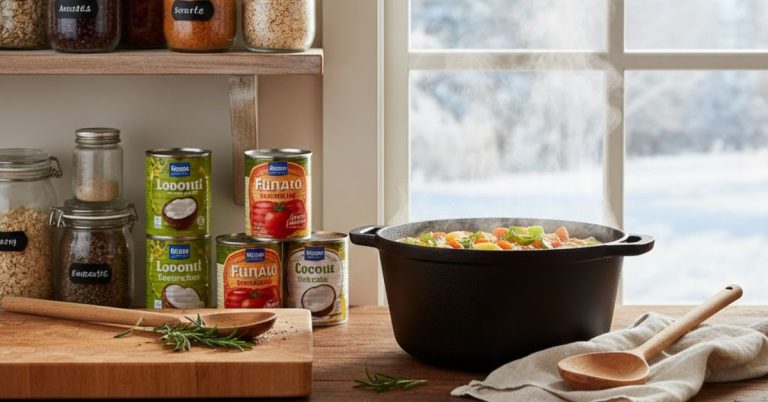
A thoughtful Fall Freezer Meal Prep Guide can completely transform your autumn cooking routine. As temperatures drop and days become shorter, having ready-to-eat meals in the freezer helps you stay warm, nourished, and stress-free. Not only does meal prep reduce last-minute cooking, but it also allows you to embrace the seasonal flavors of fall, including pumpkin, squash, root vegetables, and apples. By planning ahead, you can combine pantry staples, fresh produce, and frozen ingredients to create a variety of comforting meals that reheat beautifully throughout the week.
With a clear strategy, freezer meal prep becomes an enjoyable part of your seasonal routine rather than a chore. By following the right techniques and keeping essential ingredients on hand, you can save time, reduce waste, and still enjoy homemade dishes even on busy weekdays or chilly evenings. This guide will walk you through everything you need to know—from essential ingredients to meal prep techniques and recipe ideas—so you can master fall freezer cooking with confidence.
Why Autumn Is Perfect for Freezer Meal Prep
Autumn is uniquely suited to freezer meal prep. Seasonal produce like squash, pumpkin, apples, and root vegetables not only taste great but also freeze well, allowing you to preserve the flavors of the season. Additionally, shorter days and busy schedules make it harder to cook from scratch every night. Having meals prepped in advance ensures that you and your family can enjoy warm, home-cooked dinners without the stress of daily cooking.
Another advantage is that fall foods naturally lend themselves to hearty, comforting dishes. Soups, stews, casseroles, and grain bowls all pair beautifully with cooler weather, making them ideal candidates for freezer-friendly meals. By prepping these dishes ahead of time, you can enjoy cozy meals throughout the season with minimal effort.
Benefits of Fall Freezer Meal Prep
There are multiple reasons why freezer meal prep is especially helpful in autumn:
Time-Saving: Cooking several meals at once reduces the time spent in the kitchen during the week. Meals can be reheated in minutes, which is perfect for hectic days.
Cost-Effective: Purchasing ingredients in bulk and making multiple meals at once lowers grocery costs and makes the most of seasonal produce.
Reduced Food Waste: Freezing meals preserves leftovers and seasonal ingredients that might otherwise spoil.
Stress-Free Dinners: Ready-to-eat meals eliminate the worry of last-minute cooking, allowing you to focus on work, school, or family activities.
Healthier Options: Homemade freezer meals give you complete control over ingredients, making it easier to maintain balanced and nutritious meals.
Essential Ingredients for Fall Freezer Meals
Having a well-stocked pantry, fridge, and freezer is key to efficient meal prep.
Proteins
- Chicken breasts or thighs
- Ground turkey, beef, or sausage
- Tofu or tempeh for vegetarian options
- Canned or cooked beans and lentils
Vegetables
- Root vegetables: carrots, potatoes, parsnips, beets
- Squash: butternut, acorn, pumpkin
- Green vegetables: broccoli, green beans, cauliflower
- Onions, garlic, and bell peppers
Pantry Staples
- Rice, pasta, quinoa, and barley
- Canned tomatoes, tomato paste, and coconut milk
- Broth (vegetable, chicken, or beef)
- Olive oil, flour, and spices
Herbs and Spices
- Thyme, rosemary, sage, oregano
- Cinnamon, nutmeg, allspice for autumn flavors
- Paprika, cumin, chili powder, garlic powder
Refrigerator and Freezer Additions
While pantry ingredients are crucial, a few items from the fridge and freezer add flexibility:
Refrigerator Essentials:
- Cheese, eggs, and milk
- Fresh vegetables such as carrots, celery, and leafy greens
Freezer Essentials:
- Frozen vegetables and fruit
- Pre-cooked grains or proteins
- Leftover cooked meals for repurposing
By keeping these items on hand, you can mix and match ingredients to create meals quickly.
Freezer Meal Prep Basics
Successful freezer meal prep relies on proper storage and handling techniques.
Containers and Storage: Use freezer-safe bags, airtight containers, or vacuum-sealed packaging. Portion meals for individual or family servings to simplify reheating.
Labeling: Include the meal name, date, and reheating instructions on every container. Color-coding meals (e.g., green for vegetarian, red for meat) can help you organize more efficiently.
Cooling Before Freezing: Let cooked foods cool to room temperature before freezing. This prevents ice crystals, maintains texture, and preserves flavor.
Cooking Techniques for Freezer Meals
Blanching Vegetables
Blanching vegetables such as broccoli, green beans, or carrots before freezing maintains their color, texture, and nutrients.
Cooking vs. Assembling Raw
Some meals, like soups and stews, freeze best after cooking. Others, including casseroles or certain baked dishes, can be assembled raw and baked later. This adds flexibility to your meal prep routine.
Layering Flavors
Sauté onions, garlic, and spices before adding liquids or other ingredients to develop rich, complex flavors in your frozen meals.
Portioning and Storage
Freeze meals in appropriately sized containers. This allows you to thaw exactly what you need, reducing waste and ensuring meals reheat evenly.
Easy Fall Freezer Meal Ideas
Hearty Soups and Stews
Soups and stews are winter-season staples that freeze exceptionally well.
Examples:
- Butternut squash soup with nutmeg and cinnamon
- Lentil and vegetable stew
- Chicken and rice soup with herbs
Tip: Freeze individual portions for lunches or family-sized containers for dinner.
Casseroles
Casseroles are convenient, hearty meals ideal for batch cooking and freezing.
Options:
- Cheesy pasta bake with roasted vegetables
- Shepherd’s pie with mashed potatoes
- Sweet potato and black bean enchiladas
Wrap tightly in foil or plastic to prevent freezer burn and extend shelf life.
Breakfast Items
Freezer meal prep isn’t limited to dinner. Breakfasts can be prepped ahead as well.
Ideas:
- Pumpkin or apple muffins
- Egg and vegetable breakfast burritos
- Oatmeal cups with fruit and spices
Individually wrapping portions allows for quick grab-and-go meals on busy mornings.
Protein and Grain Bowls
Pre-cooked proteins and grains are versatile components for quick freezer meals.
Examples:
- Roasted chicken or tofu
- Cooked rice, quinoa, or barley
- Beans or lentils seasoned with spices
These can be combined with frozen vegetables or sauces for instant weeknight meals.
Vegetarian and Plant-Based Options
Fall freezer meal prep works beautifully for plant-based diets.
Examples:
- Lentil shepherd’s pie
- Vegetable and bean chili
- Roasted vegetable and quinoa casserole
Freezing meals in airtight containers ensures they maintain flavor and texture upon reheating.
Fall Flavor Boosters
Autumn-inspired spices and ingredients elevate freezer meals:
Sweet and Savory Additions:
- Apples or pears in soups or baked dishes
- Pumpkin puree in stews or pasta sauces
- Maple syrup or honey for a natural touch
Herbs and Spices:
- Sage, thyme, and rosemary complement roasted vegetables
- Cinnamon, nutmeg, and allspice add warmth to savory and sweet dishes
Meal Prep Workflow
- Plan Your Menu: Select 5–7 meals for the week or month, balancing proteins, grains, and vegetables.
- Grocery and Prep: Buy seasonal produce, pantry staples, and proteins. Chop, blanch, and pre-cook as needed.
- Assemble Meals: Layer ingredients for casseroles or sheet-pan meals; portion soups, stews, and grain bowls.
- Freeze and Label: Cool meals completely, then freeze in airtight containers with clear labels.
- Reheat and Serve: Thaw in the refrigerator or reheat directly from frozen, adjusting cooking times accordingly.
Budget-Friendly Tips
- Buy in Bulk: Purchase rice, grains, beans, and frozen vegetables in larger quantities for savings.
- Use Seasonal Produce: Squash, pumpkins, apples, and root vegetables are affordable and store well in the freezer.
- Stretch Meals: Add beans, lentils, or grains to soups and stews to make them go further.
- Repurpose Leftovers: Combine roasted vegetables or cooked proteins into new dishes to reduce waste.
Common Mistakes to Avoid
- Overcooking ingredients before freezing, which can lead to mushy textures
- Freezing large portions that are difficult to reheat
- Skipping labels and dates, causing confusion
- Freezing foods while hot, which can create ice crystals and alter texture
Fall Freezer Meal Prep Guide Comparison Table
| Meal Type | Preparation Time | Key Ingredients | Cooking Method | Why It’s Ideal for Fall |
|---|---|---|---|---|
| Soups | 30–60 minutes | Canned beans, canned tomatoes, broth, seasonal vegetables, spices | Stovetop / Slow Cooker | Warm, hydrating, and easy to batch cook |
| Stews | 60–120 minutes | Root vegetables, beans, canned meat, tomato paste, broth | Stovetop / Slow Cooker | Hearty, filling, develops deep flavor |
| One-Pot Pasta | 30–45 minutes | Pasta, canned tomatoes, olive oil, frozen spinach, spices | Stovetop | Quick, minimal cleanup, comforting |
| Rice & Grain Bowls | 30–60 minutes | Rice, quinoa, lentils, frozen or canned vegetables | Stovetop / Oven | Nutritious, versatile, great for leftovers |
| Casseroles | 45–75 minutes | Pasta or grains, cheese, canned vegetables, sauces | Oven | Filling, freezer-friendly, convenient |
| Chili | 45–90 minutes | Beans, canned tomatoes, frozen vegetables, chili spices | Stovetop / Slow Cooker | Protein-rich, warming, perfect for batch cooking |
| Potato-Based Meals | 40–70 minutes | Potatoes, canned beans, cheese, seasonal spices | Stovetop / Oven | Budget-friendly, hearty, comforting |
| Sheet-Pan Meals | 35–50 minutes | Frozen vegetables, canned beans, oils & spices | Oven | Easy prep, minimal cleanup, hands-off cooking |
| Vegetarian Pantry Meals | 30–60 minutes | Lentils, chickpeas, beans, frozen vegetables | Stovetop / Oven | Healthy, filling, cost-effective |
| Freezer-Friendly Breakfasts | 20–40 minutes | Eggs, oats, muffins, fruits, spices | Oven / Stovetop | Quick grab-and-go meals, easy to store and reheat |
Final Thoughts
A detailed Fall Freezer Meal Prep Guide ensures that you enjoy homemade, seasonal meals without daily stress. By combining seasonal produce, pantry staples, and batch cooking techniques, you can create soups, stews, casseroles, grain bowls, and breakfast items that freeze well and reheat beautifully.
Freezer meal prep saves time, reduces food waste, and provides comforting, nutritious meals throughout autumn. With careful planning, organization, and attention to detail, fall can become a season of cozy, hassle-free, and flavorful dining.ces waste, and ensures your family enjoys warm, comforting dishes throughout autumn. With careful planning and organization, fall can be a season of cozy, nourishing, and stress-free meals.
Frequently Asked Questions
What is a Fall Freezer Meal Prep Guide?
It’s a strategy for cooking and freezing meals ahead of time during the fall season, using seasonal produce and pantry staples to create convenient, ready-to-eat dishes.
Are freezer meals healthy?
Yes. By including vegetables, proteins, and whole grains, freezer meals can be balanced, nutritious, and satisfying while saving time on busy days.
How long can meals stay in the freezer?
Most cooked meals last 3–6 months when properly stored in airtight containers or freezer-safe bags, maintaining flavor, texture, and safety.
Can I freeze raw meals?
Yes. Some dishes, like casseroles or burritos, can be assembled raw, frozen, and baked later, making meal prep flexible and convenient.
How should I reheat frozen meals?
Thaw meals in the fridge overnight or reheat directly from frozen, adjusting cooking time as needed to ensure even heating and optimal taste.