As a conscious family, you want to make choices that align with your values. One way to do this is by adopting a cruelty-free lifestyle, starting with the food you eat.
Cooking with compassion is easier than you think. By choosing animal-friendly ingredients and recipes, you can create delicious meals. These meals are not only good for your family but also for the planet.
In this article, we’ll explore the benefits of cruelty-free cooking. We’ll share some tasty recipes to get you started, like Chickpea Blended Oat Bars and Almond Flour Banana Muffins. You’ll see how easy it is to make a positive impact on the world, one meal at a time.
What is Cruelty-Free Cooking?
Embracing cruelty-free cooking means choosing a lifestyle that cares for animals and the planet. It’s not just about food; it’s about making choices that affect your health, the environment, and animal welfare.
Definition of Cruelty-Free
Cruelty-free cooking means making meals without animal products or by-products. You avoid dairy, eggs, honey, and gelatin. Instead, you use plant-based alternatives that are healthy and tasty.
Choosing cruelty-free improves your health and supports a sustainable food system. It promotes ethical farming and reduces animal exploitation.
Importance for Families
For families, cruelty-free cooking is a transformative experience. It teaches a mindful way of eating and connects you with the food’s impact on the world.
Cruelty-free meals are full of fruits, veggies, and whole grains. They’re good for your health and teach kids about compassion and sustainability.
Ethical Considerations
Cruelty-free cooking has many ethical benefits. It supports humane and sustainable farming. This choice also reduces environmental harm from animal agriculture, like greenhouse gases and water use.
Embracing cruelty-free cooking also fits with ethical beauty and vegan skincare. It’s a lifestyle that values compassion and sustainability in every way.
Key Ingredients for Cruelty-Free Recipes
Choosing the right ingredients is key to cruelty-free cooking. It’s about making meals that are tasty, ethical, and sustainable. This way, you can enjoy food that’s good for you and the planet.
Plant-Based Proteins
Plant-based proteins are essential for cruelty-free recipes. They’re a healthy and versatile choice compared to animal products. Here are some great options:
- Legumes: Beans, lentils, and peas are packed with protein and fiber. They’re perfect for soups, stews, and salads.
- Tofu and Tempeh: These soy-based foods are super versatile. Use them in stir-fries, sandwiches, and more.
- Nuts and Seeds: Almonds, chia seeds, and hemp seeds are not only protein-rich. They also offer healthy fats and minerals.
For more ideas on using these ingredients, check out Nichole Sheley’s recipes. She offers creative and easy-to-follow plant-based cooking tips.
Dairy Alternatives
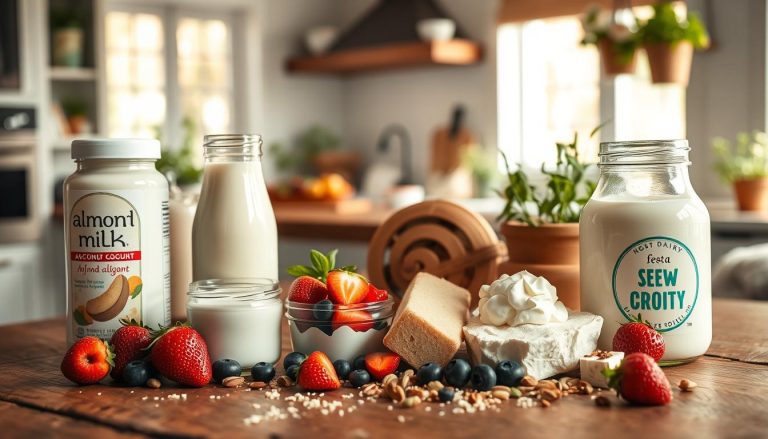
Dairy alternatives are vital for those avoiding animal products. They provide creamy textures and flavors without the animal content. Here are some favorites:
- Almond Milk: It’s low in calories and versatile. Use it in cereal, smoothies, and baking.
- Coconut Yogurt: It’s rich in probiotics and has a creamy texture. Great for snacking or as a sauce base.
- Cashew Cheese: A vegan cheese alternative made from cashews, nutritional yeast, and spices.

Sustainable Produce
Choosing sustainable produce is important for the environment and ethical farming. Here are some tips:
- Organic Fruits and Vegetables: Grown without harmful chemicals, they’re better for you and the planet.
- Locally Sourced Produce: Buying from local farmers cuts down on emissions and supports your community.
- Seasonal Produce: It’s fresher, less expensive, and supports sustainable farming.
By using these ingredients, you can make delicious, cruelty-free meals. These meals are not only tasty but also good for you and the environment.
Breakfast Recipes to Start Your Day
Cruelty-free breakfasts are not only good for the planet, but they’re also delicious and easy to make. Starting your day with a compassionate meal can be a great way to set a positive tone. Here are some tasty breakfast recipes to get you started.
Vegan Chia Seed Pudding
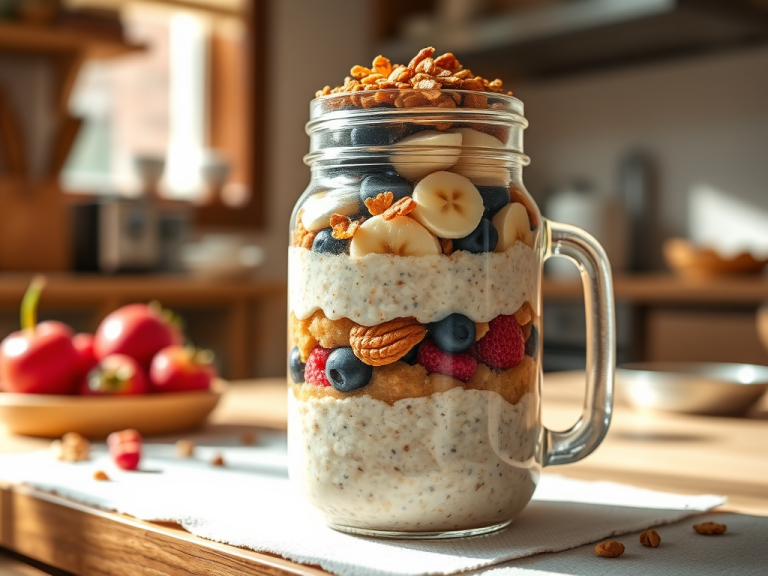
A nutritious and filling breakfast, vegan chia seed pudding is made by mixing chia seeds with almond milk and letting it sit overnight. You can top it with fresh fruits and nuts for added flavor and texture.
To make it, you’ll need 1/2 cup chia seeds, 1 cup almond milk, and 1 tablespoon honey or maple syrup. Mix everything in a jar and refrigerate overnight. In the morning, top it with your favorite fruits and nuts. Check out more vegan breakfast recipes for inspiration.
Tofu Scramble with Vegetables
Tofu scramble is a great alternative to scrambled eggs. Simply crumble tofu into a pan, add your favorite vegetables, and season with turmeric, salt, and pepper. Serve with whole grain toast or a wrap.
For a delicious tofu scramble, you’ll need 1 block of firm tofu, 1 onion, 2 cloves of garlic, and 1 cup mixed vegetables. Cook everything in a pan until the vegetables are tender. You can find more breakfast ideas to start your day.
Overnight Oats with Almond Milk
Overnight oats are a convenient breakfast option. Mix rolled oats with almond milk, chia seeds, and a sweetener of your choice in a jar. Refrigerate overnight and enjoy in the morning.
To make overnight oats, combine 1/2 cup rolled oats, 1/2 cup almond milk, 1 tablespoon chia seeds, and 1 tablespoon honey or maple syrup in a jar. Refrigerate overnight and top with fruits and nuts in the morning.
Delicious Lunch Options for Everyone
You don’t have to give up taste for ethics. These lunch recipes show that cruelty-free can be tasty. Whether you want something quick or are up for a longer cooking time, we’ve got you covered.
Quinoa Salad with Roasted Vegetables
A quinoa salad with roasted veggies is both healthy and tasty. Start by cooking quinoa as the package says. Then, toss your favorite veggies (like sweet potatoes, Brussels sprouts, and red onions) with olive oil, salt, and pepper. Roast them in the oven until they’re tender.
Put the cooked quinoa with the roasted veggies, some chopped fresh herbs (like parsley or cilantro), and lemon juice. This vegan dish is full of protein and fiber, making it a great lunch choice.

Creamy Avocado Toast
Creamy avocado toast is a simple yet tasty option for a quick lunch. Toast whole grain bread, mash an avocado, and spread it on. Add lemon juice, salt, and some chopped herbs or red pepper flakes if you like.
This recipe shows how easy it is to make vegan meals that are healthy and tasty. You can also add other toppings like sliced tomatoes or vegan mayo.
Lentil Soup with Herbs
Lentil soup is a comforting and nutritious choice for a cold day. Saute onions, garlic, and carrots in olive oil. Then, add lentils, vegetable broth, and herbs (like thyme or rosemary). Let it simmer until the lentils are tender.
Blend some or all of the soup for a creamy texture, or serve it as is with vegan cream or chopped herbs. This lentil soup is cruelty-free and full of protein and fiber, making it a great lunch option.
These lunch recipes prove that eating cruelty-free doesn’t mean missing out on flavor or variety. With a bit of creativity, you can make delicious and satisfying meals that everyone will love.
Satisfying Dinner Recipes
Dinner is more than just a meal; it’s a chance to feed your family with love. Cruelty-free cooking opens the door to tasty dinners that everyone will love.
Stir-Fried Tofu with Broccoli
Stir-fried tofu with broccoli is a quick and tasty dinner. You’ll need:
- 1 block of firm tofu, drained and cubed
- 2 cups of broccoli florets
- 1 tablespoon of vegetable oil
- 1 clove of garlic, minced
- 1 tablespoon of soy sauce (from a cruelty-free brand)
Just stir-fry the tofu and broccoli in oil. Add garlic and soy sauce, then serve over rice or noodles.
Vegan Mushroom Risotto
This creamy risotto is a cozy dinner for family meals. You’ll need:
- 1 cup of Arborere rice
- 4 cups of vegetable broth, warmed
- 1 cup of mixed mushrooms, sliced
- 1 tablespoon of olive oil
- 1/4 cup of white wine (optional)
Cook the rice in oil, then add wine and broth slowly, stirring constantly. Add sautéed mushrooms towards the end.
Spaghetti with Marinara Sauce and Nutritional Yeast
This Italian-inspired dinner is easy and rich in flavor. You’ll need:
- 1 pound of spaghetti
- 2 cups of marinara sauce (homemade or from a cruelty-free brand)
- 2 tablespoons of nutritional yeast
Cook the spaghetti, heat the marinara sauce, and toss with nutritional yeast for a cheesy, vegan twist.
These dinner recipes not only please your family’s taste buds but also match your values. Enjoy trying these recipes and making them a part of your family’s dinner routine.
Sweet Treats: Cruelty-Free Desserts
Explore the world of cruelty-free desserts. Here, you can enjoy sweet treats without harming animals. These desserts are not only kind to animals but also good for your skin, fitting perfectly with vegan skincare.
Decadent Chocolate Treats
Make a raw chocolate avocado mousse for a delicious dessert. Mix ripe avocados with cocoa powder and maple syrup. This shows how cruelty-free cooking can make amazing desserts.
Coconut Delights
Coconut milk ice cream is a great cruelty-free option. It’s creamy and doesn’t have dairy. You can add different flavors like vanilla or strawberry, making it a treat for all.
Adding these cruelty-free desserts to your family’s meals is a win-win. It pleases your taste buds and supports a kind, sustainable lifestyle.