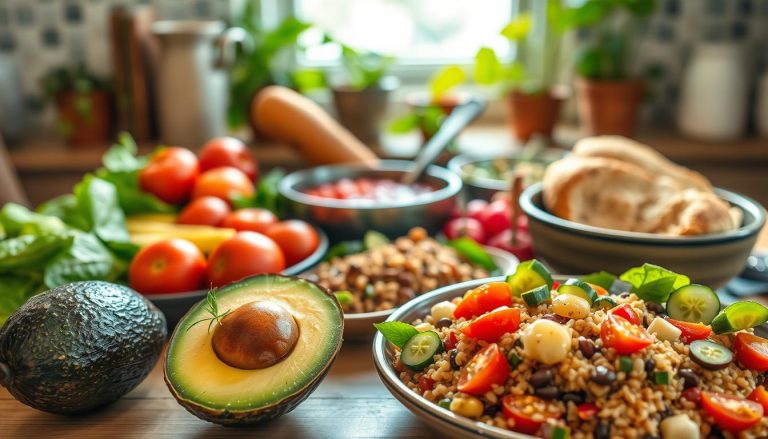
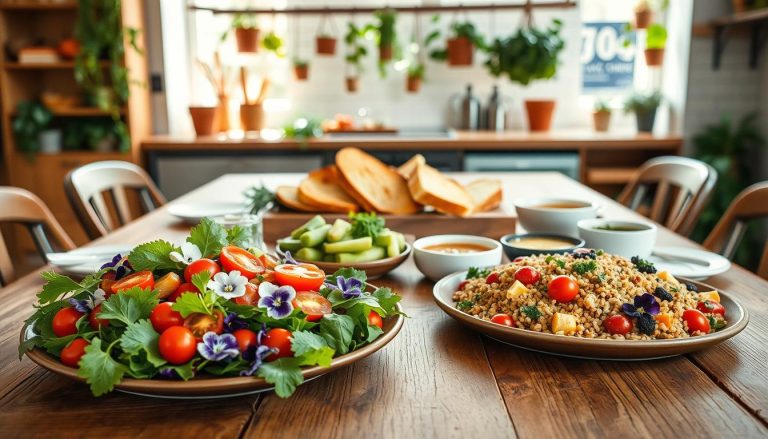
You don’t have to miss out on tasty desserts just because you’re on a lactose-free diet. Thanks to dairy-free recipes, you can enjoy delicious treats without dairy.
Picture yourself enjoying a creamy dessert that’s both decadent and dairy-free. With ingredients like olive oil and peanut butter, you can make treats that are satisfying and delicious.
Choosing a lactose-free diet opens up a world of flavors and recipes. You can find many tasty options that fit your dietary needs.
Discover the Benefits of a Dairy-Free Diet
Switching to a dairy-free diet can change your health and wellbeing for the better. It can improve your digestion and energy. Plus, it’s better for the planet and animals.
Boost Your Energy Levels
Many people feel more energetic after going dairy-free. This is because dairy can make some people tired. Eating more fruits, veggies, and whole grains can make you feel more awake and alert.
“I’ve noticed a significant boost in my energy levels since switching to a dairy-free diet. It’s been a game-changer for my daily routine.” – Emily, dairy-free enthusiast
Improve Digestion
Going dairy-free can also make digestion easier for many. Dairy can cause bloating, gas, and discomfort in some. Choosing dairy-free options can help you feel more comfortable.
| Dairy Product | Dairy-Free Alternative | Benefits |
|---|---|---|
| Milk | Almond milk, Soy milk | Easier digestion, lower saturated fat |
| Cheese | Cashew cheese, Vegan mozzarella | Lower cholesterol, rich in nutrients |
| Yogurt | Coconut yogurt, Almond yogurt | Probiotics for gut health, dairy-free |
Reduce Inflammation
Another benefit of a dairy-free diet is less inflammation. Some dairy can make inflammation worse, which is linked to many health issues. Choosing plant-based foods can help keep inflammation down.
In short, a dairy-free lifestyle offers many benefits. It can boost your energy, improve digestion, and reduce inflammation. Whether you’re going fully vegan or just cutting down on dairy, the advantages are worth looking into.
Popular Dairy-Free Alternatives
Exploring dairy-free living opens up a world of tasty choices. You can enjoy your favorite foods and drinks without dairy. Today, there are many options available.
Plant-Based Milks: A World of Choices
There are many plant-based milks to pick from, like almond, soy, oat, and coconut milk. These milks are great for drinking, cooking, and baking. You can easily substitute dairy milk with these in most recipes.
Creamy Cashew and Almond Cheese
Dairy-free cheese has improved a lot, with cashew and almond cheeses being favorites. They offer creamy textures and rich flavors like traditional cheese. They’re perfect for sandwiches, pizzas, and pasta.
Coconut Yogurt: A Creamy Delight
Coconut yogurt is another great dairy-free option. It’s rich in probiotics and good for smoothies to desserts. You can also add your favorite fruits and spices.
These dairy-free options make it easy to live without dairy. You can experiment with different options to find what suits you and your family best.
Delicious Dairy-Free Recipes to Try
Exploring dairy-free cuisine opens up a world of flavors. It’s both delicious and safe for those with dairy allergies. You can enjoy a variety of tasty dairy-free recipes. They cater to different tastes and dietary needs.
Whether you’re looking for a comforting meal or a sweet treat, dairy-free options are more accessible than ever.
Savory Dairy-Free Pasta Dishes
Pasta lovers rejoice! You can create delicious dairy-free pasta dishes. Substitute traditional dairy products with dairy substitutes like almond milk or cashew cream.
For example, a creamy dairy-free pasta can be made with a sauce from cashews blended with nutritional yeast, garlic, and lemon juice. Check out some simple side dishes you can pair with your dairy-free pasta at Planned From The Pantry.

Decadent Dairy-Free Desserts
Dessert lovers don’t have to miss out on the fun when going dairy-free. You can make decadent desserts using coconut milk, almond milk, or cashew cream.
For instance, a rich dairy-free chocolate mousse can be crafted with avocado, cocoa powder, and maple syrup. The key is to experiment with different dairy substitutes to find the one that works best for your dessert.
Quick and Easy Dairy-Free Snacks
For those looking for quick and easy options, there are plenty of dairy-free snacks you can prepare. Fresh fruits, veggie sticks with hummus, or energy balls made from oats and nut butter are all great choices.
You can also make dairy-free yogurt parfaits with coconut yogurt, granola, and your favorite fruits. These snacks are not only delicious but also safe for those with dairy allergies.
Choosing the Right Dairy-Free Products
Finding the right dairy-free products can feel like a big task. But, with the right tips, you can make smart choices. If you’re avoiding dairy because of lactose intolerance, it’s key to pick products that fit your diet and taste.
Reading Labels: What to Look For
When you’re shopping for dairy-free items, reading labels is a must. You should know what’s in them to make sure they’re okay for you. Look for labels that say “dairy-free” or “lactose-free” to help you choose. Also, watch out for other allergens or irritants that might be in the product.
Key ingredients to watch out for:
- Almond milk, soy milk, or other plant-based milks
- Coconut yogurt or cashew cream for dairy-free alternatives
- Natural sweeteners or flavor enhancers
Top Brands to Consider
There are many brands known for their dairy-free products. They offer a variety of options for different tastes and needs. Some top brands include:
- Almond Breeze for almond milk
- Daiya Foods for dairy-free cheese and yogurt alternatives
- Coconut Bliss for coconut-based ice cream
These brands are known for their quality and safety. They’re great choices for those with lactose intolerance.
Understanding Ingredients: What’s Safe?
For those with lactose intolerance, knowing what’s in your dairy-free products is crucial. Some ingredients might still cause issues. Be careful of:
- Thickeners and stabilizers like carrageenan or guar gum
- Flavor enhancers that might contain dairy derivatives
- Potential cross-contamination with dairy products during manufacturing
By staying informed and careful, you can enjoy a wide range of dairy-free products. This way, you can stay healthy and happy.
How to Transition to a Dairy-Free Lifestyle
Starting a dairy-free lifestyle is a journey of discovery. It’s not just about avoiding dairy. It’s also about trying new flavors and recipes.
Gradual vs. Immediate Transition
You can choose between a gradual or immediate change to a dairy-free lifestyle. A gradual transition lets you slowly replace dairy with dairy-free options. This way, you get used to new tastes and textures.
An immediate transition is harder but might be best if you have a severe dairy intolerance. Or if you want to follow a vegan lifestyle.
| Transition Approach | Pros | Cons |
|---|---|---|
| Gradual Transition | Easier to manage, less restrictive | May take longer to see results |
| Immediate Transition | Quick results, clear direction | Can be challenging, may require significant lifestyle adjustments |
Meal Planning Tips for Success
Good meal planning is key to a successful dairy-free transition. Start by stocking your pantry with essentials like plant-based milks and vegan cheeses. Also, plan your meals around fresh, seasonal produce for a balanced diet.
- Explore new recipes and flavors
- Stock up on dairy-free staples
- Plan meals around seasonal produce
Finding Community Support
Connecting with others who follow a dairy-free lifestyle is very helpful. Look for online forums, vegan meetups, or social media groups. You can also seek guidance from health experts or registered dietitians for advice.
By picking the right transition path, planning meals well, and finding support, you’ll enjoy a dairy-free lifestyle. It will be both healthy and fun.
Dairy-Free Cooking Tips for Success
Starting a dairy-free diet doesn’t mean you have to give up taste or creativity. With a few tweaks, you can make tasty meals that everyone will love.
Essential Dairy-Free Substitutes
Having the right substitutes is key to great dairy-free cooking. Try plant-based milks like almond, soy, or oat milk instead of regular milk. Coconut yogurt or cashew cream work well as sour cream or yogurt substitutes. For cheese, look for vegan options like cheddar, mozzarella, or feta made from nuts or soy.

Cooking Techniques for Flavorful Meals
Using the right cooking techniques can make your dairy-free meals taste amazing. Roasting vegetables brings out their sweetness, while grilling adds a smoky flavor. Sautéing with spices like garlic, ginger, and turmeric can also boost your dish’s taste. Don’t forget to add herbs and seasonings for more complex flavors.
Try different cooking methods to find your new favorites. Slow cookers or Instant Pots can make meals tender and easy to prepare.
Enhancing Flavor without Dairy
To add flavor without dairy, focus on the right ingredients and techniques. Nutritional yeast has a cheesy taste that’s great in dairy-free dishes. Citrus juice or vinegar can brighten up rich flavors. Ingredients like mushrooms, miso paste, and soy sauce add depth and complexity.
By following these tips, you can make delicious dairy-free meals that are full of flavor.
Nutritional Considerations for Dairy-Free Living
Choosing a dairy-free lifestyle means understanding the nutritional needs. A well-planned diet can ensure you get all the nutrients for health.
Ensuring Adequate Calcium Intake
Calcium is key for strong bones, and dairy is often linked to it. But, there are many non-dairy options rich in calcium. Try fortified plant-based milks or eat foods like kale and broccoli. For example, one cup of fortified almond milk has about 450 mg of calcium.
To get enough calcium, eat a variety of these foods. You might also look into meal planning strategies for a balanced diet.
Balancing Your Diet with Dairy Alternatives
Replacing milk is just the start of a dairy-free diet. It’s about getting a wide range of nutrients. Try different dairy substitutes like coconut yogurt, almond cheese, and cashew cream. They taste and feel like dairy but are nutritious too.
Supplements to Consider
Even with a good diet, supplements can help fill gaps. Vitamin D and calcium are important for bone health. Vitamin B12 supplements are also good since it’s mainly found in animal products.
Always talk to a healthcare professional before starting supplements. They can help find the right ones for you.
Myths and Facts about Dairy-Free Diets
With more people choosing dairy-free living, it’s key to know the truth. It’s important to clear up myths and understand the facts. Dairy allergies and lactose intolerance are often not well understood, causing confusion about dairy-free living.
Common Misconceptions Debunked
Many think dairy-free diets are always healthier. But, this isn’t true for everyone. It’s vital to know what your body needs. For example, those with a dairy allergy must avoid it, but lactose intolerance might allow small amounts.
Another myth is that all dairy-free products are as good as the real thing. This isn’t always the case. Some are fortified with important nutrients, but others might not be. Always read labels to make sure you’re getting what you need.
Science Behind the Dairy-Free Trend
Studies show dairy-free diets can help those with dairy allergies or intolerance. But, for others, the benefits are not as clear. A well-planned dairy-free diet is key to getting enough nutrients, like calcium.
For more info on dairy-free myths and facts, check out Kroma Wellness. They dive into the science of dairy-free diets.
Expert Opinions on Dairy-Free Nutrition
Experts say a well-planned dairy-free diet can be good for you. They stress the need to balance dairy-free options with other nutrient-rich foods. For instance, choosing fortified dairy-free milks can help keep bones strong.
- Make sure you get enough calcium from dairy-free sources or supplements.
- Eat a variety of whole foods to stay balanced.
- Get advice from a healthcare professional or nutritionist for your specific needs.
Celebrating Dairy-Free Cuisine Worldwide
Dairy-free food is loved all over the world. Different cultures bring their own twist to tasty dishes. You can try everything from Thai curries to Mexican tamales, all made without dairy.
Inspiration from Around the Globe
Global dairy-free dishes are a treasure trove of flavors. Ingredients like chickpeas, squash, and peanut butter are staples. You can even find dairy-free versions of dishes like Turkish Lahmajoon or desserts made with banana or almond milk. For more ideas, check out Taste of Home’s dairy-free recipes.
The Future of Dairy-Free Innovations
The future of dairy-free food is bright, with vegan options leading the charge. As more people choose dairy-free, the demand for tasty, innovative products grows. Expect to see new vegan cheeses and dairy-free ice creams soon.