Did you know many people struggle to eat a balanced diet? It’s key for staying healthy and feeling good. Eating right can be tough, but it’s worth it.
To get a balanced diet, eat a variety of foods in the right amounts. Keep a healthy weight too. For more tips, check out the NHS’s eight tips for healthy eating. They offer practical nutrition tips.
Start by following nutrition tips and making smart choices. It’s about making lasting changes for better health.
Understanding Healthy Eating
Healthy eating is more than just a diet. It’s a lifestyle that feeds your body and soul. It’s about making smart food choices, knowing the value of nutrition, and clearing up diet myths.
What Constitutes a Healthy Diet?
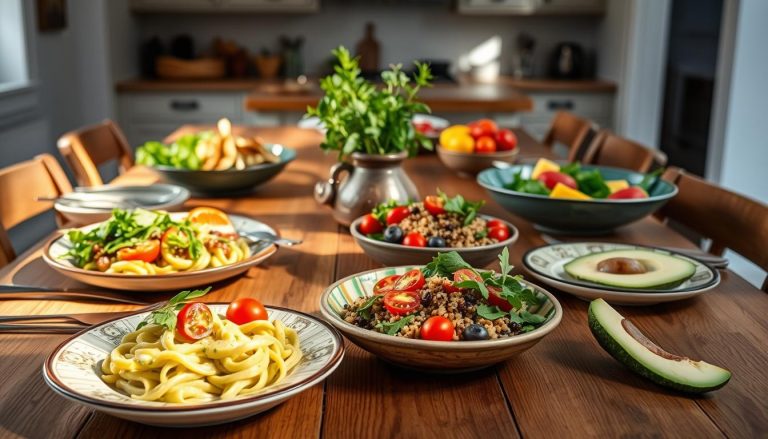
A healthy diet is full of variety and whole foods. You can get a balanced diet by:
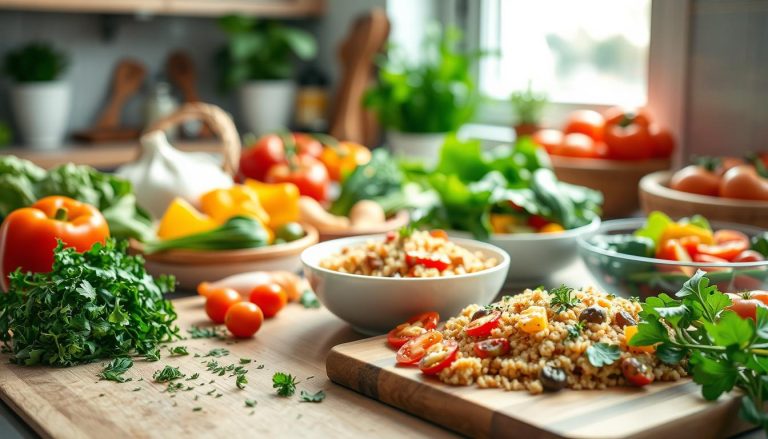
- Eating lots of vegetables and fruits
- Choosing whole grain foods over processed grains
- Including protein foods in your meals
- Limiting highly and ultra-processed foods
- Making water your drink of choice
By focusing on whole foods and being mindful, you’re moving towards a healthier life. For more tips on meal planning, even when you don’t feel like cooking, check out Planning Dinners When You’re Tired of.
The Importance of Nutrition
Nutrition is key to your health. It’s not just about calories; it’s about giving your body the nutrients it needs. Good nutrition can prevent illnesses, increase energy, and improve mental focus. By choosing wisely, you’re investing in your health for the long run.
Debunking Common Myths
Many myths surround healthy eating, making it confusing. For example, some think healthy eating is expensive or that it means cutting out certain foods. But clean eating is about balance and variety. It’s important to stay informed and avoid fad diets. By knowing the truth and following nutrition tips from trusted sources, you can make better choices.
Embracing healthy eating leads to a more balanced and fulfilling life. It’s about building a positive relationship with food and your body. It’s a journey worth taking.
Benefits of Healthy Eating
Eating well does more than just keep you healthy. It also boosts your mood and helps you live longer. Making smart food choices can greatly improve your life.
Impact on Physical Health
Choosing healthy foods can greatly improve your physical health. Eating right can lower your risk of heart disease and stroke. It helps control your cholesterol, blood pressure, weight, and blood sugar.
Some key physical health benefits include:
- Reduced risk of chronic diseases
- Improved body weight management
- Enhanced overall physical wellbeing
Mental Health Benefits
Healthy eating is good for your mind too. A diet full of nutrients can boost your mental health. It can help lower the risk of depression and anxiety.
Key mental health benefits include:
- Improved mood stability
- Reduced symptoms of depression and anxiety
- Enhanced cognitive function
Healthy Eating and Longevity
A balanced diet is key to living a long life. Eating foods rich in nutrients supports your health. This can help you live longer.
Some ways healthy eating contributes to longevity include:
- Reducing the risk of age-related diseases
- Supporting healthy aging processes
- Enhancing overall quality of life
Building a Balanced Plate
Building a balanced plate means knowing the right mix of foods for your body. It’s about making meals that are good for you and fun to eat.
Understanding Macronutrients
Macronutrients are the body’s energy sources. They are divided into three main types: carbohydrates, proteins, and fats. Carbohydrates give us energy, proteins help repair and grow, and fats support our health.
To make a balanced plate, knowing each macronutrient’s role is key. The Eatwell Guide says to base meals on high fiber starchy foods, which are carbs.
Portion Control Essentials
It’s important to control how much you eat. Even healthy foods can lead to overeating if portions are too big. Using smaller plates and following food label serving sizes helps.
Learning portion control lets you enjoy many foods without eating too much. It’s about finding a balance that fits your life.
The Role of Variety in Diet
Eating a variety of foods is crucial for getting all nutrients. The Eatwell Guide recommends eating at least 5 portions of different fruits and vegetables daily. This variety ensures you get all the vitamins, minerals, and fiber you need.
Adding different colored fruits and vegetables to your meals makes them look good and boosts nutrition. It’s a simple way to improve your diet.
By focusing on the right mix of macronutrients, controlling portions, and eating a variety of foods, you can make meals that are both healthy and enjoyable. This approach supports a balanced and healthy lifestyle.
Incorporating Fruits and Vegetables
Eating a variety of fruits and vegetables boosts your nutrition and health. It ensures you get lots of vitamins and minerals. Plus, it makes healthy eating fun and interesting.
Choosing Seasonal Produce
Choosing seasonal produce is a great way to eat more fruits and veggies. Seasonal foods are fresher, taste better, and are often cheaper. They also have a lower environmental impact because they need less transport.
Benefits of Seasonal Produce:
- Fresher and tastier
- Lower cost
- Reduced environmental impact
Creative Ways to Add More Greens
Adding greens to your meals is easy. Try spinach in your smoothie or kale in salads. You can also sauté greens with garlic or add them to soups.
“The doctor of the future will no longer treat the human frame with drugs, but rather will cure and prevent disease with nutrition.” – Thomas Edison
Try different cooking methods to make greens more appealing. Roasting Brussels sprouts with olive oil and seasonings can make them a tasty side dish.
Benefits of Whole Fruits vs. Juices
Whole fruits are better than juices because they have more fiber. Fiber is good for digestion, keeps you full, and helps control blood sugar.
| Nutritional Aspect | Whole Fruits | Juices |
|---|---|---|
| Fiber Content | High | Low |
| Sugar Content | Natural, balanced with fiber | High, concentrated |
| Satiety | More filling | Less filling |
Choosing whole fruits and veggies is key to clean eating and a plant-based diet. These diets offer many health benefits. Simple changes in your eating habits can greatly improve your health and wellbeing.
Smart Grocery Shopping Tactics
Grocery shopping can seem overwhelming, but with the right approach, you can make better choices. Being prepared and informed is key to successful shopping.
Planning Your Meals
Meal planning is essential for smart shopping. It helps you create a focused list, avoiding impulse buys and waste. Start by:
- Identifying your family’s favorite meals
- Checking what ingredients you already have at home
- Planning around seasonal produce to get the best value
Reading Nutrition Labels
Understanding nutrition labels is crucial for making smart choices. Look beyond the marketing and check the nutrition facts panel. Pay attention to:
- Serving size and the number of servings per container
- Nutrient content, focusing on fiber, protein, and healthy fats
- Added sugars and sodium levels
Choosing products with fewer ingredients and more nutrients can greatly benefit your family’s health.
Budget-Friendly Healthy Choices
Eating healthy doesn’t have to be pricey. Here are some tips for budget-friendly choices:
- Buy in bulk: Grains, nuts, and dried fruits are often cheaper in larger quantities.
- Opt for store brands: Many store-brand products are comparable in quality to name brands.
- Shop for seasonal produce: Produce that’s in season is often cheaper and fresher.
By using these smart shopping tactics, you can enjoy a healthier diet without spending a lot.
Cooking Techniques for Healthy Eating
The way you cook is as important as the ingredients you choose for healthy eating. By using healthier cooking methods and making simple changes, you can boost your meal’s nutritional value.
Healthier Cooking Methods
Choosing the right cooking method is key to keeping nutrients in your food. Steaming and grilling are top choices because they use little oil. They also keep the natural flavors and nutrients of your ingredients.
Steaming veggies like broccoli and spinach helps keep their vitamin C and B vitamins. These vitamins can be lost when boiling. Grilling is great for cooking proteins and veggies without extra fat, making it a healthy meal prep option.

Substitutions for Traditional Ingredients
Simple swaps in your recipes can greatly improve their healthiness. For instance, use olive oil or avocado oil instead of butter when sautéing. Switching to whole grains over refined grains is another smart move.
Try using herbs and spices for flavor instead of salt and sugar. This cuts down on sodium and sugar while adding new tastes to your meals.
Meal Prep Tips for Busy Lives
Meal prep is a smart way to eat healthy, even when you’re busy. Begin by planning your meals for the week. Choose recipes that are quick to make and can be cooked ahead of time.
Use whole foods like grains, beans, and veggies as your meal bases. These foods are not only healthy but also versatile. They can be used in many dishes. Cooking in bulk and storing meals in the fridge or freezer makes them easy to grab when you’re in a rush.
By adding these cooking and meal prep tips to your daily routine, healthy eating can become a fun and lasting part of your life.
Navigating Dining Out
Eating out doesn’t have to ruin your healthy eating habits. Knowing how to pick the right foods can make dining out fun. It’s all about being aware of what you eat and how you eat it.
Making Healthier Choices at Restaurants
Start by choosing grilled, baked, or steamed options on menus. You can also ask for special requests, like less oil or no salt.
- Go for dishes with lots of veggies and lean proteins.
- Choose whole grains like brown rice or whole wheat bread.
- Watch your portion sizes; think about sharing or taking leftovers home.
Understanding Menu Labels
Many restaurants now list nutritional info on menus. Look for labels that show low calories, fats, or sodium. This info helps you pick dishes that fit your diet.
Tips for Eating Mindfully
Eating mindfully is more than just what you eat. It’s also about how you eat. Take your time, enjoy your food, and listen to your body’s hunger and fullness signals. This way, you can fully enjoy your meal and avoid eating too much.
- Turn off distractions like phones or TVs while eating.
- Chew slowly to really taste and feel your food.
- Stop and check if you’re still hungry before taking another bite.
By using these tips, you can enjoy eating out while sticking to a balanced diet and healthy eating habits. It’s all about making smart choices and being mindful of your eating experience.
Staying Hydrated
Water is key to a healthy diet, supporting our bodies in many ways. You might know how important it is to stay hydrated. But let’s explore why water is so vital and how to make drinking it a fun part of your day.
Importance of Water in Diet
Water is essential for our health and doesn’t add calories. It helps with body temperature control and food digestion. Drinking enough water can also help control hunger and boost metabolism, aiding in weight management.
Here are some key benefits of adequate hydration:
- Enhances physical performance
- Supports kidney function
- Helps maintain healthy skin
- Boosts energy levels
Alternatives to Sugary Beverages
Sugary drinks add unnecessary calories and can cause health problems like obesity and diabetes. Switching to healthier drinks can greatly improve your diet.
Consider these options:
- Infused water with fruits or herbs
- Unsweetened tea or coffee
- Seltzer water with a squeeze of lemon or lime
Infused Water Ideas
Infusing water with flavors can make drinking it more fun. It’s a simple way to add excitement to your daily water intake.
Try these infused water recipes:
- Lemon and mint
- Cucumber and lime
- Strawberry and basil
By adding these tips to your daily routine, you can stay hydrated and enjoy water’s many benefits. Remember, small changes can make a big difference in your health and well-being.
Understanding Special Diets
Learning about different special diets can help you make better choices for your health.
Overview of Popular Diets
There are many special diets out there, each for different reasons. You might choose a plant-based diet for its health and environmental perks. Or, you might pick a low-carb diet to help with weight loss.
Some diets you might find interesting include:
- The Mediterranean diet, known for its heart-healthy benefits
- The keto diet, which focuses on high-fat, low-carbohydrate intake
- A vegan diet, which excludes all animal products
| Diet | Key Features | Potential Benefits |
|---|---|---|
| Mediterranean | High in fruits, vegetables, and healthy fats | Heart health, weight management |
| Keto | High-fat, low-carbohydrate | Weight loss, improved blood sugar control |
| Vegan | Plant-based, excludes animal products | Environmental benefits, weight loss, improved heart health |
How to Choose the Right One for You
Choosing the right diet means thinking about your lifestyle, health goals, and nutritional needs. It’s not just about following a trend. It’s about finding a diet that fits your life and health goals.
It’s a good idea to talk to a professional or use resources to help you decide.
Consulting a Professional Nutritionist
A professional nutritionist can give you advice that fits your health needs and goals. They can help you understand different diets and make sure you get the nutrients you need.

By learning about your options and getting professional advice, you can make smart choices about your diet. This can lead to a healthier, more balanced you.
Overcoming Emotional Eating
The first step to beat emotional eating is to know what triggers it. It’s often linked to stress, boredom, or feeling down.
Recognizing Triggers
It’s important to figure out what makes you eat emotionally. Keep a food diary to see when and why you eat. This helps spot patterns and what usually sets you off.
Triggers can vary a lot. They might be feelings like sadness or anxiety, or certain events. Knowing what triggers you lets you find better ways to handle those feelings.
Healthy Coping Strategies
Finding healthy ways to deal with emotions is key. Physical activity like walking or hobbies can help. It’s a good way to avoid eating out of sadness or stress.
Other good strategies include mindfulness practices like meditation. These help you stay calm and manage stress better.
The Role of Mindfulness
Mindfulness is very important in fighting emotional eating. It helps you notice when you’re hungry or full, and how you feel. This makes you eat more thoughtfully.
Mindful eating means focusing on your food and how it makes you feel. It’s about enjoying the sights, smells, and tastes of your meals. It’s also about listening to your body’s hunger and fullness signals.
Adding mindfulness to your life can help you eat better and feel less emotional about food. It’s a journey that needs patience, kindness to yourself, and a strong will to change.
Creating Lasting Healthy Habits
Building healthy eating habits takes time, effort, and the right approach. Focus on healthy eating and a balanced diet. This way, you can make a lasting change that benefits your body and mind.
Setting Achievable Milestones
Begin by setting goals that fit your life and tastes. This might mean planning meals, trying new recipes, or choosing healthier options when eating out. Having clear, achievable goals helps you see your progress and stay excited about your journey.
Monitoring Progress and Staying on Track
It’s important to track your progress. Use a food diary, a mobile app, or take photos to see how far you’ve come. Celebrate every small win to keep your motivation high.
Maintaining Motivation
Keeping motivated is key to sticking with healthy habits. Surround yourself with people who support you, whether it’s a friend, family, or an online group. With a balanced diet, regular exercise, and a supportive circle, you can become a healthier, happier version of yourself.