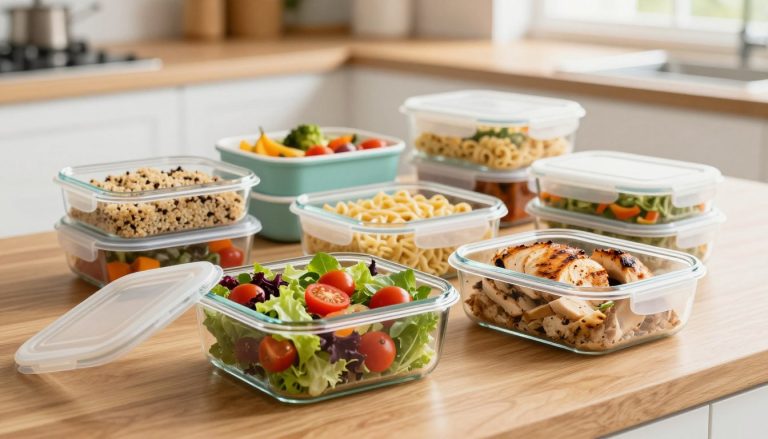
Fresh fruits and vegetables are essential for a healthy diet, but they can spoil quickly if not stored properly. Learning how to store fresh produce longer not only helps reduce food waste but also ensures that you always have fresh, nutritious ingredients on hand. Proper storage techniques can maintain flavor, texture, and nutrients, allowing you to enjoy your produce at its best for days or even weeks.
In this article, we will explore practical strategies, storage methods, and expert tips to keep your fruits and vegetables fresh for as long as possible. From understanding which produce belongs in the fridge versus the counter, to using proper packaging and storage containers, this guide covers everything you need to know to extend the life of your fresh produce.
Why Proper Produce Storage Matters
Proper storage of fruits and vegetables is about more than just preventing spoilage. Here are the key reasons why learning how to store fresh produce longer is essential:
1. Reduces Food Waste
Globally, a significant portion of fruits and vegetables are thrown away due to spoilage. Proper storage helps reduce this waste, saving money and resources.
2. Maintains Nutritional Value
Fresh produce contains vitamins, minerals, and antioxidants that can degrade over time. Correct storage slows this process and keeps your food nutrient-rich.
3. Preserves Taste and Texture
Fruits and vegetables stored incorrectly can become mushy, wilted, or lose flavor. Proper storage ensures your produce remains crisp, juicy, and delicious.
4. Saves Money
Buying produce in bulk or on sale is only beneficial if it lasts. Proper storage extends shelf life, so your investment in healthy food is not wasted.
General Principles for Storing Fresh Produce
Understanding basic rules for storing fruits and vegetables will help you maximize freshness.
1. Know Which Produce Needs Refrigeration
Not all fruits and vegetables require the fridge. For example:
- Refrigerate: Leafy greens, berries, carrots, broccoli, cauliflower, and grapes.
- Keep at room temperature: Tomatoes, bananas, peaches, plums, and avocados until ripe.
2. Avoid Moisture Accumulation
Excess moisture accelerates spoilage. Use perforated plastic bags, paper towels, or containers with vents to allow airflow and absorb extra moisture.
3. Separate Ethylene Producers
Certain fruits release ethylene gas, which accelerates ripening in nearby produce. Store ethylene-producing fruits like apples, bananas, and avocados separately from sensitive vegetables like lettuce, cucumbers, and leafy greens.
4. Use Appropriate Containers
Air-tight containers, produce storage bags, or glass containers with vented lids can extend freshness by maintaining optimal humidity and airflow.
5. Clean Before Storage (With Care)
Some produce, like carrots and celery, should be washed and dried before storing. Others, like berries, last longer unwashed and should be rinsed just before consumption.
How to Store Specific Produce Longer
Different fruits and vegetables have unique storage needs. Here’s a detailed guide:
Leafy Greens
- Examples: Spinach, kale, lettuce, arugula
- Storage Tips: Wash thoroughly, dry completely with a salad spinner or paper towels, and store in a container lined with paper towels. Keep in the crisper drawer at high humidity.
Berries
- Examples: Strawberries, blueberries, raspberries, blackberries
- Storage Tips: Store unwashed in the fridge in a container lined with paper towels. Wash right before eating to prevent mold.
Tomatoes
- Storage Tips: Store at room temperature away from direct sunlight. Only refrigerate if fully ripe and not consumed immediately. Refrigeration can affect flavor and texture.
Carrots
- Storage Tips: Remove tops to prevent moisture loss, store in a plastic bag or container in the fridge. Adding a damp paper towel can help maintain crispness.
Apples
- Storage Tips: Keep in the crisper drawer in a plastic bag with small holes. Separate from vegetables sensitive to ethylene gas.
Bananas
- Storage Tips: Keep at room temperature until ripe. To slow ripening, wrap stems in plastic wrap or refrigerate ripe bananas (peel may darken, but fruit remains fresh).
Citrus Fruits
- Examples: Oranges, lemons, limes, grapefruits
- Storage Tips: Store in the fridge crisper for up to 2–3 weeks. Keep in a ventilated bag to prevent mold growth.
Avocados
- Storage Tips: Store unripe avocados at room temperature. Once ripe, refrigerate to slow further ripening.
Cucumbers
- Storage Tips: Store in the fridge at moderate humidity, wrapped in a paper towel and placed in a loose plastic bag to prevent excess moisture.
Peppers
- Storage Tips: Store in the fridge crisper in a perforated bag. Keep whole until ready to use for maximum freshness.
Advanced Storage Techniques
Beyond basic refrigeration and separation, some advanced methods can significantly extend the shelf life of fresh produce.
1. Vacuum Sealing
Vacuum sealing removes air, reducing oxidation and slowing spoilage. This is particularly useful for leafy greens, berries, and herbs.
2. Freezing
Freezing is an excellent way to store produce longer, especially seasonal fruits. Blanch vegetables like green beans, broccoli, and carrots before freezing to preserve flavor and nutrients.
3. Controlled Atmosphere Storage
This method regulates oxygen, carbon dioxide, and humidity to slow ripening. While typically used in commercial storage, small-scale adaptations include storing fruits in paper bags or containers that allow for controlled airflow.
4. Pickling or Fermenting
Preserving vegetables through pickling or fermentation can extend shelf life for months while adding unique flavors and probiotics.
5. Using Ethylene Absorbers
Commercial ethylene-absorbing packets or DIY solutions (like activated charcoal in small pouches) can help protect ethylene-sensitive produce from premature ripening.
Common Mistakes to Avoid
Improper storage can drastically reduce the shelf life of fresh produce. Avoid these mistakes:
- Washing too early: Excess moisture can promote mold and spoilage.
- Ignoring ethylene gas: Mixing ethylene-producing fruits with sensitive vegetables accelerates decay.
- Overcrowding the fridge: Blocks airflow, leading to uneven cooling and spoilage.
- Storing all produce in the fridge: Some fruits like tomatoes and peaches taste better and last longer at room temperature.
- Using inappropriate containers: Airtight bags without ventilation trap moisture and cause rot.
Storage Tips for a Weekly Produce Stock
Planning ahead can help you maintain fresh produce for a full week or more.
- Plan meals around perishables: Use highly perishable items like berries and leafy greens early in the week.
- Batch prep: Wash, chop, and portion vegetables for salads or snacks.
- Rotate produce: Place newer items behind older ones in the fridge to ensure first-in, first-out usage.
- Monitor fridge temperature: Keep the fridge at 34–40°F (1–4°C) for optimal produce storage.
Budget-Friendly Ways to Keep Produce Fresh Longer
Extending the life of your produce doesn’t require expensive tools:
- Paper towels: Absorb excess moisture in storage containers.
- Reuse jars or plastic containers: Great for storing herbs, chopped vegetables, and berries.
- DIY perforated bags: Use a needle to poke holes in regular plastic bags to improve airflow.
- Freeze surplus produce: When buying in bulk, freezing prevents spoilage and reduces waste.
Seasonal Produce Storage Tips
Different produce has unique needs depending on the season:
- Summer produce: Tomatoes, zucchini, peaches, berries — keep cool but not too cold, avoid excessive moisture.
- Fall produce: Apples, pears, squash — store in ventilated bags or bins in the fridge or cool cellar.
- Winter produce: Citrus, carrots, cabbage — refrigerate and monitor humidity to prevent drying.
- Spring produce: Asparagus, peas, leafy greens — use quickly or freeze for longevity.
Comparison Table: How to Store Fresh Produce Longer
| Produce Type | Best Storage Method | Storage Duration | Tips for Maximum Freshness | Notes |
|---|---|---|---|---|
| Leafy Greens (Spinach, Kale, Lettuce) | High-humidity fridge crisper, paper towel-lined container | 5–10 days | Wash, dry thoroughly; separate from ethylene producers | Avoid plastic bags without ventilation |
| Berries (Strawberries, Blueberries, Raspberries) | Fridge, unwashed in ventilated container | 3–7 days | Wash just before eating; line container with paper towel | Mold spreads quickly, check daily |
| Tomatoes | Room temperature away from sunlight | 3–7 days | Only refrigerate if fully ripe | Refrigeration can reduce flavor and texture |
| Carrots & Celery | Fridge in airtight container with damp paper towel | 2–3 weeks | Remove tops to prevent moisture loss | Keeps crisp and crunchy longer |
| Citrus Fruits (Oranges, Lemons, Limes) | Fridge crisper or ventilated bag | 2–3 weeks | Store whole; slice only when ready | Avoid storing near ethylene-producing fruits |
| Avocados | Room temperature until ripe, then fridge | 3–5 days after ripening | Wrap stems in plastic to slow ripening | Use quickly once ripe for best taste |
| Herbs (Parsley, Cilantro, Basil) | Soft herbs: jar of water or damp paper towel; Hard herbs: cool dry place | Soft: 5–7 days, Hard: 2–3 weeks | Remove wilted leaves; change water regularly | Can freeze soft herbs in oil or water cubes |
| Bananas | Room temperature, stem wrapped in plastic | 3–7 days | Refrigerate ripe bananas to slow ripening | Peel may darken in fridge but fruit remains good |
| Peppers | Fridge crisper, perforated bag | 1–2 weeks | Keep whole until use | Slice only when ready to cook |
| Broccoli & Cauliflower | Fridge, perforated bag | 5–7 days | Keep dry; do not wash until ready to use | Blanch for freezing if storing longer |
Final Thoughts on How to Store Fresh Produce Longer
Proper storage is the key to reducing food waste, saving money, and enjoying fresh, nutritious meals. By learning how to store fresh produce longer, you can extend the life of fruits and vegetables, maintain flavor and texture, and ensure your kitchen is always stocked with fresh ingredients.
From basic rules like separating ethylene producers and using the right containers to advanced methods like vacuum sealing and pickling, there are many ways to keep produce fresh for days or weeks. With planning, careful handling, and knowledge of each fruit or vegetable’s needs, you can enjoy longer-lasting, high-quality produce every day.
FAQs: How to Store Fresh Produce Longer
1. How can I make fruits last longer in the fridge?
To store fruits longer, separate ethylene-producing fruits like apples, bananas, and avocados from sensitive fruits and vegetables. Store in ventilated containers or plastic bags with holes, and refrigerate most fruits like berries, grapes, and citrus for extended freshness.
2. Should I wash vegetables before storing them?
It depends. Leafy greens like spinach and kale can be washed, dried thoroughly, and stored in paper-towel-lined containers. Berries should remain unwashed until just before eating to prevent mold growth.
3. How do I prevent my vegetables from wilting?
Store vegetables like carrots, celery, and peppers in airtight containers or plastic bags with a damp paper towel. Keep leafy greens in a high-humidity crisper drawer. Avoid overcrowding the fridge to allow airflow.
4. Can freezing help extend the life of produce?
Yes! Freezing is an effective method for long-term storage. Blanch vegetables like broccoli, green beans, and carrots before freezing to preserve flavor and nutrients. Most fruits can be frozen as-is or sliced for smoothies and desserts.
5. How do I store herbs so they last longer?
Hard herbs like rosemary, thyme, and oregano last longer in a cool, dry place. Soft herbs like parsley, cilantro, and basil should be wrapped in a damp paper towel, placed in a container, or stored in a jar of water in the fridge. Some herbs can also be frozen in ice cube trays with water or oil.