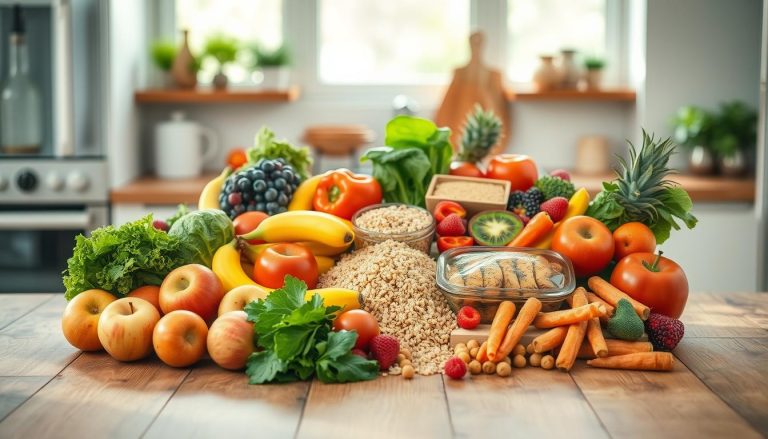
Did you know eating whole, minimally processed foods can lower your risk of chronic diseases? By eating more fruits, vegetables, whole grains, and legumes, you can enjoy many benefits. These come from following a plant-based lifestyle.
Choosing this eating style is more than just changing what you eat. It’s about taking care of your body in a holistic way. Start by adding more whole foods to your meals. Then, learn about the good things a nourishing diet can do for you.
Starting this path, you’ll see a plant-based lifestyle is more than food. It’s about connecting with your body and the world around you.
What is a Plant-Based Diet?
A plant-based diet is more than just food; it’s a way of life. It focuses on getting nutrients from the earth. You’ll find many foods and practices that boost your health.
Defining Plant-Based Eating
Plant-based eating means eating foods from plants, like vegetables, fruits, and grains. It’s about eating whole, natural foods. This diet is designed to give you all the nutrients you need.
Types of Plant-Based Diets
There are different types of plant-based diets. Each has its own rules and goals. For example:
- Vegan diets don’t include any animal products, like dairy or eggs.
- Vegetarian diets might include dairy and eggs, or not.
- Flexitarian diets are mostly vegetarian but sometimes include meat.
You can pick the one that fits your life best. For tips on meal planning, check out Planning Dinners When You’re Tired of.
Common Misconceptions
Many think plant-based diets are too strict or lack protein. But, with some planning, you can get all the nutrients you need. It’s about making smart choices and finding a balance.
Learning about plant-based diets helps you make better food choices. Whether you’re thinking about vegan, vegetarian, or flexitarian, there’s lots of help out there.
Benefits of a Plant-Based Lifestyle
A plant-based diet brings many benefits. It’s good for your health, the planet, and your wallet. Choosing plant-based foods can make you healthier and help the environment.
Health Advantages
Going plant-based can lower your risk of heart disease, diabetes, and some cancers. Plant-based nutrition is full of vitamins, minerals, and antioxidants. These help keep you healthy.
Plant-based foods are often high in fiber. This can help with weight control and better digestion. Eating whole, unprocessed foods is key to better health.
Environmental Impact
Plant-based living is great for the environment. Animal farming causes a lot of pollution and uses a lot of resources. By eating plant-based, you help reduce pollution and support sustainable farming.
Plant-based diets need less land, water, and energy than meat-based ones. This makes them better for the planet. Adopting a plant-based lifestyle supports eco-friendly farming.
Economic Benefits
Plant-based living also saves money. Foods like beans, lentils, and tofu are cheaper than meat. This helps you stay within your budget.
Adding more plant-based meals to your diet can cut down on grocery bills. It also means less money spent on healthcare. A plant-based lifestyle is good for your health, the planet, and your wallet.
Getting Started with Plant-Based Eating
Starting a plant-based diet can be both thrilling and daunting. But with a solid plan, you can confidently begin this new path. It’s important to understand your current diet and set realistic goals.
Assessing Your Current Diet
First, take a close look at what you eat now. Keep a food diary for a week or two. This will show you patterns, like when you snack or what you grab when you’re in a rush.
Tip: Be honest about your eating habits. Write down everything, including how much you eat and when. This isn’t about judging yourself but about becoming aware.
Setting Realistic Goals
After you know your current diet, set achievable goals. Don’t try to change everything at once. Start with small steps, like swapping one or two meals a day for plant-based options or adding a new fruit or veggie to your meals.
Remember, the key is gradual progress. Setting reachable goals will keep you motivated and on track with your plant-based journey.
Finding Support and Community
Finding support is crucial for your plant-based journey. Look for online groups, social media, or local meetups. Sharing recipes and tips with others can keep you motivated.
You can also find support through blogs, cookbooks, and meal planning resources. Having a community that understands your goals can be very empowering.
Essential Foods for a Plant-Based Diet
A healthy plant-based diet focuses on whole, minimally processed foods. Eating a variety of whole foods ensures your diet is full of nutrients and tastes great.
Fruits and Vegetables
Fruits and vegetables are key to a plant-based diet. They give you important vitamins, minerals, and antioxidants. Try to eat foods of different colors to get the most nutrients.
- Leafy Greens: Spinach, kale, and collard greens are rich in iron and calcium.
- Berries: Blueberries, strawberries, and raspberries are high in antioxidants and fiber.
- Cruciferous Vegetables: Broccoli, cauliflower, and Brussels sprouts contain compounds that support cancer prevention.
Remember, “Eat the rainbow” for a balanced diet. A study in the Journal of Agricultural and Food Chemistry shows eating many fruits and vegetables can lower disease risk.
“A diet rich in fruits and vegetables can help reduce the risk of heart disease, stroke, and other health conditions.”
Whole Grains and Legumes
Whole grains and legumes are crucial for a plant-based diet. They offer protein, fiber, and important nutrients. They also help you feel full and support digestion.
| Food | Nutritional Benefits |
|---|---|
| Quinoa | Complete protein, rich in iron and magnesium |
| Lentils | High in protein, fiber, and folate |
| Brown Rice | Good source of manganese and selenium |
Nuts and Seeds
Nuts and seeds are great for snacking and adding to meals. They offer healthy fats, protein, and minerals. Almonds, walnuts, chia seeds, and flaxseeds are very nutritious.
To add more nuts and seeds to your diet, try them in oatmeal or yogurt. Or use them as a topping for salads.
Meal Planning for Plant-Based Eating
Effective meal planning is key to a successful plant-based diet. It helps you get the nutrients you need and saves time. It also reduces food waste.
Creating Balanced Meals
It’s important to make balanced meals for a healthy plant-based diet. You need to include a variety of foods to get all the nutrients.
Balance your meals with fruits, vegetables, whole grains, and legumes. For example, quinoa, roasted veggies, and chickpeas make a balanced meal. They offer protein, healthy fats, and complex carbs.
Portion Control and Nutritional Needs
Controlling portion sizes is crucial for meeting your nutritional needs. Knowing the daily nutrient intake helps with portion control.
| Nutrient | Recommended Daily Intake | Plant-Based Sources |
|---|---|---|
| Protein | 0.8 grams per kg of body weight | Legumes, nuts, seeds, tofu |
| Iron | 8-18 mg | Legumes, dark leafy greens, fortified cereals |
| Calcium | 1,000 mg | Fortified plant milk, dark leafy greens, tofu |
Easy Meal Prep Tips
Meal prep can make cooking easier and save time. Start by planning meals for the next few days. Then, make a grocery list for those meals.
For more meal planning and plant-based recipe ideas, check out plannedfromthepantry.com. It’s full of helpful information on plant-based eating.
- Prepare ingredients in advance, such as chopping vegetables or cooking grains.
- Cook meals in bulk and portion them out for the week.
- Use a slow cooker to prepare meals that simmer all day.
Plant-Based Recipes to Try
Explore the world of plant-based cooking with recipes that are both nourishing and delicious. Trying different plant-based recipes keeps your diet interesting. It also ensures you get a wide range of nutrients.
Breakfast Ideas
Starting your day with a plant-based breakfast is satisfying and energizing. Try a veggie omelette made with tofu and filled with spinach, mushrooms, and bell peppers. Another great option is a chia seed pudding topped with fresh fruits and nuts.

Lunch and Dinner Options
For lunch and dinner, explore a variety of cuisines. A hearty lentil soup or a quinoa salad with roasted vegetables can be fulfilling. You can also try making veggie burgers or stuffed bell peppers for a change of pace.
| Recipe | Main Ingredients | Prep Time |
|---|---|---|
| Lentil Soup | Lentils, Vegetables, Broth | 30 minutes |
| Quinoa Salad | Quinoa, Roasted Vegetables, Lemon Juice | 20 minutes |
| Veggie Burger | Black Beans, Vegetables, Whole Wheat | 25 minutes |
Snacks and Desserts
For snacks and desserts, enjoy fruit smoothies or dark chocolate avocado mousse. Other options include roasted chickpeas seasoned with herbs and spices, or banana nice cream made by blending frozen bananas.
Overcoming Challenges in Your Plant-Based Journey
Starting a plant-based lifestyle comes with its own set of challenges. You might face issues like navigating social events, dealing with cravings, or staying on track with your goals. But, with the right strategies and support, you can overcome these obstacles.
Handling Social Situations
When you’re on a plant-based diet, social events can be tough. You might find yourself in places where food choices are limited or where everyone eats differently. To handle this, planning ahead is crucial.
Look up restaurants with plant-based options or bring a dish to share. This can make a big difference. Also, it’s important to communicate your dietary choices clearly and politely. Saying, “I’m currently following a plant-based diet, but thank you for offering,” helps set boundaries while keeping things friendly.
Dealing with Cravings
Cravings are normal when you change your diet to plant-based. Try to figure out why you’re craving something. Are you hungry, bored, or stressed? Sometimes, a healthier choice can satisfy your craving.
If you’re craving something sweet, try fruit or a homemade dessert with natural sweeteners. For more tips on managing cravings and finding support, check out overcoming challenges in plant-based eating.
Staying Motivated
To stay motivated on your plant-based journey, celebrate your successes, no matter how small. Be kind to yourself when you face setbacks. Connecting with others who share your lifestyle can be very helpful.
Setting achievable goals and tracking your progress can also keep you motivated. Try new recipes, explore different cuisines, or share meals with friends and family. There are many ways to make your plant-based journey exciting and rewarding.
Plant-Based Nutrition for Specific Needs
Whether you’re an athlete, a parent, or a senior, a well-planned plant-based diet can support your overall well-being. Different life stages and activities have unique nutritional requirements. Understanding how to tailor your plant-based diet is essential for maintaining optimal health.
Athletes and Active Lifestyles
Athletes and individuals with active lifestyles need a diet that supports energy production, muscle repair, and recovery. A plant-based diet rich in complex carbohydrates, lean protein sources, and healthy fats can provide the necessary fuel for optimal performance.
Key nutritional considerations for athletes:
- Adequate protein intake from sources like legumes, beans, and tofu
- Complex carbohydrates for energy, such as whole grains and fruits
- Healthy fats for hormone regulation and overall health
Families and Children
Children and families need a balanced diet that supports growth, development, and overall health. A well-planned plant-based diet can provide the necessary nutrients for kids to thrive.
Nutritional considerations for families:
- Ensure adequate intake of calcium and vitamin D for bone health
- Provide a variety of fruits and vegetables for essential vitamins and minerals
- Incorporate whole grains and legumes for fiber and protein
Seniors and Nutritional Considerations
As we age, our nutritional needs change. Seniors require a diet that supports overall health, manages chronic conditions, and maintains functional ability. A plant-based diet can be tailored to meet these needs.
Nutritional considerations for seniors:
- Adequate protein intake to maintain muscle mass
- High fiber intake to support digestive health
- Rich sources of omega-3 fatty acids for heart health
The Role of Supplements in a Plant-Based Diet
Exploring plant-based eating means understanding supplements’ role for health. A well-planned plant-based diet usually covers most nutrients. But, sometimes supplements are needed.
Supplements help support a plant-based diet, focusing on hard-to-get nutrients. Knowing which vitamins and minerals to supplement is key. Also, knowing when and how to choose quality products is important.
Key Vitamins and Minerals
Some nutrients are tough to get from plants. These include:
- Vitamin B12: crucial for nerve function and the production of DNA and red blood cells.
- Vitamin D: important for bone health and immune function.
- Omega-3 fatty acids: vital for heart health.
- Iron: essential for healthy red blood cells.
- Zinc: plays a significant role in immune function and wound healing.
Knowing these nutrients is crucial. You can get them from food or supplements.
When to Consider Supplements
You might need supplements if:
- You have a diagnosed deficiency.
- You’re pregnant or breastfeeding.
- You’re over 50, as absorption of certain nutrients decreases with age.
- You follow a very restrictive diet.
Talking to a healthcare professional or a registered dietitian can help decide if supplements are right for you.
Finding Quality Products
When picking supplements, look for:
- Third-party tested: ensures the product contains what it claims.
- Manufactured by reputable companies: companies with a history of producing high-quality supplements.
- Clearly labeled: with instructions for use and ingredient lists.

Being informed and cautious helps make the best choices for your health on a plant-based diet.
Continuing Your Plant-Based Education
Starting your plant-based journey is just the first step. It’s important to keep learning and growing. New research, recipes, and resources are always coming out. Staying connected with online communities and finding reliable information can help you keep learning and living a fulfilling life.
Resources for Recipes and Tips
Look for online platforms and cookbooks with plant-based recipes and meal ideas. Sites like Forks Over Knives and Oh She Glows are full of plant-based cooking, nutrition, and lifestyle tips.
Online Communities and Support Groups
Join online forums and social media groups to meet others who share your interests and values. Use platforms like Facebook and Reddit to ask questions, share your experiences, and learn from others.
Staying Informed on Plant-Based Research
Keep up with the latest plant-based research by following trusted sources. The Plant-Based Foods Association and journals like the Journal of the American Osteopathic Association are great places to start. This will help you understand more about plant-based nutrition and make better choices for your diet.