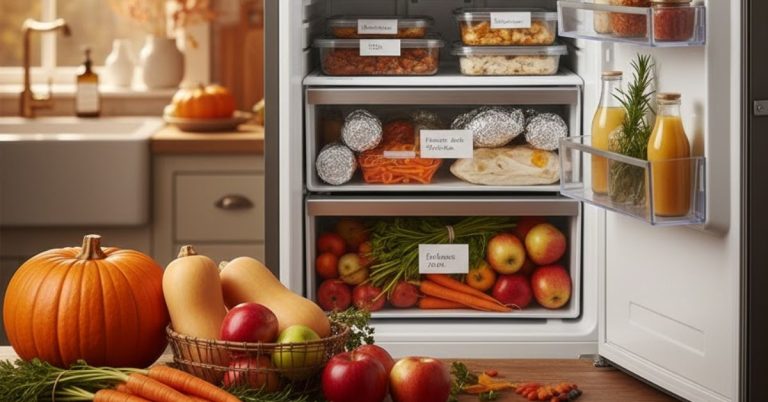
A comprehensive Winter Pantry Cooking Guide can make the cold months in the kitchen easier, warmer, and more enjoyable. Winter often brings shorter days, limited fresh produce, and busier schedules, but a well-stocked pantry ensures you can still prepare hearty, satisfying meals without relying on frequent grocery trips. By understanding what staples to keep, how to combine ingredients, and which recipes are most flexible, you can create delicious and comforting meals that are perfect for the season.
Winter pantry cooking is all about using shelf-stable ingredients, frozen foods, and a few fresh items to create meals that are filling, flavorful, and simple to make. This guide will explore essential pantry staples, meal planning tips, cooking techniques, and easy recipe ideas to help you master the art of winter cooking using what you already have on hand.
Why Winter Pantry Cooking Is Essential
Winter pantry cooking provides several benefits that go beyond convenience.
Saves Time and Effort
Having a well-organized pantry allows you to prepare meals quickly. Soups, stews, and casseroles can be made without a last-minute run to the store. In addition, simple pantry recipes reduce the stress of winter cooking, especially during busy weekdays or snowy weather.
Supports Budget-Friendly Cooking
Pantry staples like rice, pasta, canned beans, and lentils are affordable and long-lasting. By relying on these items, you can reduce grocery expenses and waste, making winter meals both economical and sustainable.
Provides Comfort and Warmth
Winter is a time for nourishing, cozy meals. Pantry cooking allows you to create warming dishes like hearty soups, stews, and baked casseroles that satisfy both body and soul.
Essential Pantry Staples for Winter Cooking
A strong pantry foundation makes winter cooking simple and flexible. Here’s what to stock:
Grains and Starches
- Rice (white, brown, jasmine)
- Pasta (short and long varieties)
- Quinoa, barley, or couscous
- Oats and polenta
Grains serve as a versatile base for soups, stews, and casseroles.
Legumes and Beans
- Canned or dried beans (black, kidney, cannellini)
- Lentils (red, green, brown)
- Chickpeas
These protein-rich staples are filling and perfect for vegetarian or budget-friendly meals.
Canned and Jarred Goods
- Canned tomatoes (diced, crushed, paste)
- Coconut milk or evaporated milk
- Broth or stock
- Pickles, olives, and sauces
Canned goods add flavor and depth while extending pantry flexibility.
Oils, Vinegars, and Condiments
- Olive oil and vegetable oil
- Vinegar (apple cider, balsamic)
- Soy sauce or tamari
- Mustard, hot sauce, or ketchup
These basics help season and enhance pantry meals.
Herbs and Spices
- Garlic powder, onion powder
- Dried thyme, rosemary, oregano, bay leaves
- Paprika, cumin, cinnamon
Winter pantry meals rely heavily on spices for flavor. Don’t be afraid to mix and match.
Refrigerated and Frozen Support Ingredients
While pantry cooking emphasizes shelf-stable foods, a few refrigerated and frozen items are essential for variety:
Refrigerator Basics:
- Onions, carrots, celery
- Cheese
- Eggs
Freezer Staples:
- Frozen vegetables and fruits
- Frozen proteins (chicken, beef, or tofu)
- Cooked grains
Planning Winter Pantry Meals
Meal planning is the key to a successful winter pantry cooking routine.
Weekly Pantry Meal Planning
To simplify your week, plan meals around a few versatile staples:
- 2 soups or stews
- 2 grain or pasta dishes
- 1 casserole or baked dish
This ensures variety while efficiently using ingredients.
Batch Cooking
Batch cooking saves time and energy. Prepare large quantities of soups, grains, or beans and portion them for future meals. Freezing meals also reduces weekday stress.
Rotating Ingredients
Rotate your pantry items regularly to avoid waste. Use older cans, grains, and spices first while restocking with new items at the end of the month.
Easy Winter Pantry Meal Ideas
Hearty Soups
Soups are perfect winter pantry meals because they are warm, versatile, and easy to prepare.
Examples:
- Lentil soup with canned tomatoes and spices
- Black bean and vegetable soup
- Tomato basil soup with pasta
Tips: Use frozen vegetables and pantry staples like beans to make the soup filling and nutritious.
Comforting Stews
Stews are heartier than soups and ideal for filling winter meals.
Ingredients:
- Root vegetables (potatoes, carrots, parsnips)
- Beans or canned meats
- Broth or tomato base
Simmering slowly builds flavor while making the meal hearty and satisfying.
One-Pot Pasta Meals
One-pot pasta meals are simple and reduce cleanup.
Ideas:
- Pasta with canned tomato sauce, garlic, and frozen spinach
- Creamy pasta using evaporated milk or coconut milk
- Pasta with canned beans and vegetables
Rice and Grain Bowls
Rice and grain bowls are versatile and filling.
Combine:
- Cooked rice, quinoa, or barley
- Protein from beans, lentils, or canned meats
- Vegetables (fresh, frozen, or canned)
Add spices or sauces to elevate flavors.
Casseroles
Casseroles are winter staples that are simple, comforting, and perfect for leftovers.
Options:
- Baked pasta casserole with cheese and canned tomato sauce
- Rice and vegetable casserole with beans
- Lentil and root vegetable bake
Pantry-Based Chili
Chili is a winter favorite because it’s protein-rich, warming, and freezer-friendly.
Simple Ingredients:
- Beans, canned tomatoes, frozen vegetables
- Spices like paprika, cumin, and chili powder
Tip: Allow it to simmer for at least 30 minutes for maximum flavor.
Freezer-Friendly Pantry Cooking
Freezing pantry meals saves time and ensures you have ready-to-eat winter comfort meals.
Meals Ideal for Freezing
- Soups and stews
- Casseroles
- Chili
- Cooked grains with beans or vegetables
Freezing Tips:
- Cool completely before freezing
- Store in airtight containers
- Label with dates for easy rotation
Cooking Techniques for Pantry Meals
Understanding a few key techniques improves flavor and efficiency.
Layering Flavors
Start with oil, onions, garlic, and spices before adding liquids or beans. This ensures depth and richness in the final dish.
Simmering Slowly
Slowly cooking soups, stews, and casseroles allows flavors to develop fully and softens dried ingredients without overcooking.
Seasoning Gradually
Taste your dishes as you cook. Add salt, spices, and acidity gradually to balance flavors perfectly.
Vegetarian and Plant-Based Winter Pantry Meals
Pantry cooking is naturally supportive of vegetarian and plant-based diets.
Examples:
- Lentil soup with canned tomatoes and spices
- Chickpea curry with coconut milk
- Bean and vegetable chili
Adding grains like rice or quinoa ensures meals are filling and satisfying.
Budget-Friendly Winter Pantry Cooking
Winter pantry cooking is excellent for keeping your food budget under control.
Tips:
- Buy dried beans and grains in bulk
- Use frozen vegetables instead of fresh out-of-season produce
- Incorporate leftovers creatively
Stretching a few key ingredients can produce multiple meals while saving money.
Common Pantry Cooking Mistakes
Even experienced cooks can make mistakes. Avoid these:
- Overcooking beans or pasta, which can make the texture mushy
- Under-seasoning dishes, leaving them bland
- Forgetting to rotate pantry items, causing spoilage
Correcting these common errors ensures every pantry meal is delicious.
Health-Conscious Pantry Meals
Comfort food doesn’t have to be unhealthy.
Tips:
- Include vegetables in every meal
- Use whole grains for fiber
- Balance meals with protein-rich legumes
- Limit added sugar and salt
By following these tips, pantry cooking can remain nourishing and satisfying.
Winter Pantry Cooking Guide Comparison Table
| Meal Type | Preparation Time | Key Pantry Ingredients | Cooking Method | Why It’s Ideal for Winter |
|---|---|---|---|---|
| Soups | 30–60 minutes | Canned beans, canned tomatoes, broth, spices, frozen vegetables | Stovetop / Slow Cooker | Warm, hydrating, easy to batch cook |
| Stews | 60–120 minutes | Root vegetables, beans, canned meat, tomato paste, broth | Stovetop / Slow Cooker | Hearty, filling, develops deep flavor |
| One-Pot Pasta | 30–45 minutes | Pasta, canned tomatoes, olive oil, frozen spinach, spices | Stovetop | Quick, minimal cleanup, comforting |
| Rice & Grain Bowls | 30–60 minutes | Rice, quinoa, lentils, canned vegetables, spices | Stovetop / Oven | Nutritious, versatile, easy leftovers |
| Casseroles | 45–75 minutes | Pasta or grains, cheese, canned vegetables, sauces | Oven | Filling, freezer-friendly, convenient |
| Chili | 45–90 minutes | Beans, canned tomatoes, frozen vegetables, chili spices | Stovetop / Slow Cooker | Protein-rich, warming, great for batch cooking |
| Potato-Based Meals | 40–70 minutes | Potatoes, canned beans, cheese, spices | Stovetop / Oven | Budget-friendly, hearty, satisfying |
| Sheet-Pan Meals | 35–50 minutes | Frozen vegetables, canned beans, oils & spices | Oven | Easy prep, minimal cleanup, hands-off cooking |
| Vegetarian Pantry Meals | 30–60 minutes | Lentils, chickpeas, beans, canned vegetables | Stovetop / Oven | Healthy, filling, cost-effective |
| Freezer-Friendly Pantry Meals | Varies | Soups, stews, chili, casseroles | Stovetop / Oven | Convenient, saves time, keeps winter comfort |
Final Thoughts
A well-organized Winter Pantry Cooking Guide ensures that winter meals are stress-free, nutritious, and comforting. By stocking staples, learning simple techniques, and planning meals thoughtfully, you can create soups, stews, casseroles, and one-pot dishes that are warm, satisfying, and budget-friendly.
Pantry cooking allows you to enjoy the comforts of winter without frequent trips to the grocery store or relying on fresh ingredients alone. It’s a practical, creative, and deeply satisfying way to cook during the colder months, ensuring your family stays well-fed, happy, and cozy all season long.
Frequently Asked Questions
What is a Winter Pantry Cooking Guide?
A Winter Pantry Cooking Guide is a strategy for preparing cozy winter meals using mostly shelf-stable ingredients, frozen foods, and a few fresh items to make warm, hearty, and satisfying dishes.
Are pantry meals healthy?
Yes, pantry meals can be healthy when they include plenty of vegetables, legumes, whole grains, and moderate healthy fats, creating balanced, nourishing, and satisfying winter dishes.
Can pantry meals be frozen?
Absolutely, most pantry-based meals like soups, stews, chili, and casseroles freeze well, making them convenient for future use and perfect for quick, comforting meals anytime.
How often should I restock my pantry?
Monthly restocking is ideal, supplemented with occasional fresh produce or frozen ingredients, ensuring a well-stocked pantry that supports nutritious, versatile, and stress-free winter meal prep.
Can pantry meals be vegetarian?
Yes, pantry meals can easily be vegetarian. Combining legumes, whole grains, vegetables, and seasonings creates hearty, filling, and nutritious meals without the need for meat.