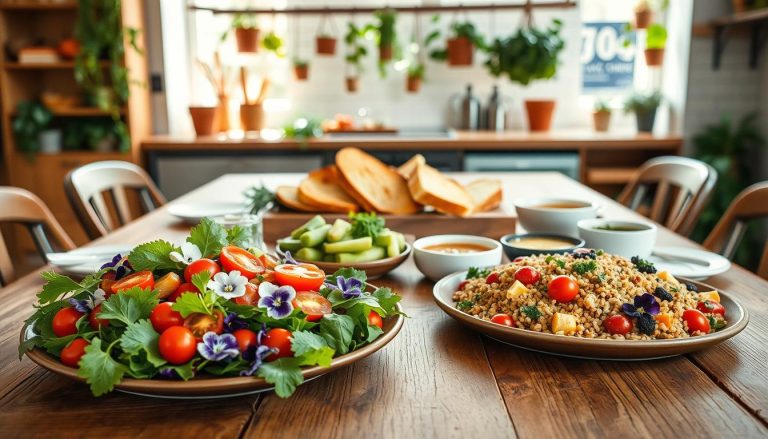
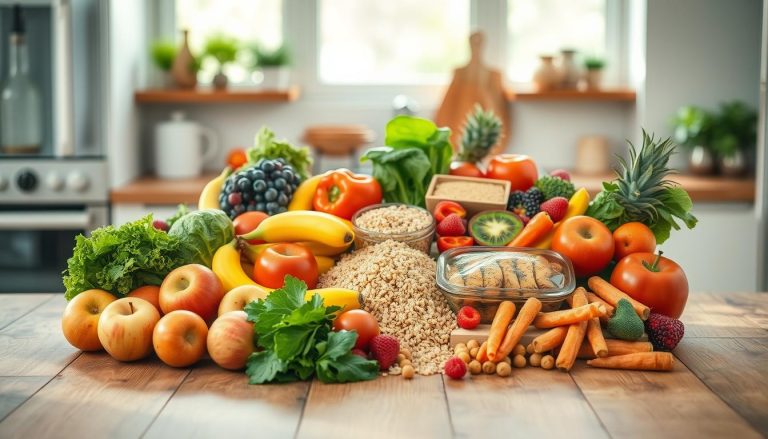
Did you know about 1 in 100 people worldwide have celiac disease? This condition means they must follow a strict gluten-free diet. This shows how important it is to have gluten-free cooking options that are both healthy and tasty.
For families with gluten intolerance or sensitivity, meals can be tough. But, you can make your gluten free diet easier by trying different recipes. Check out some great options on Taste of Home. They have a collection of easy and nutritious gluten-free dinner recipes.
With a few simple strategies, you can make mealtime calm and fun for your family. You can trust that with the right help, gluten-free cooking will be easy.
Understanding Gluten and Its Impact on Health
Many people know about gluten and dietary restrictions. But what is gluten, and how does it affect our health? Gluten is a protein found in grains like wheat, barley, and rye. It makes dough elastic and chewy, essential for baking.
What is Gluten?
Gluten has two main proteins: gliadin and glutenin. These proteins shape the texture of baked goods. But for some, gluten can cause health problems.
Common Gluten-Related Disorders
Gluten can lead to several health issues. Celiac disease is an autoimmune disorder that damages the small intestine. Gluten sensitivity, or NCGS, causes symptoms like celiac but without intestinal damage.
Understanding these conditions is key. Here’s a look at their symptoms and long-term effects:
| Condition | Symptoms | Long-term Effects |
|---|---|---|
| Celiac Disease | Abdominal pain, diarrhea, fatigue | Malabsorption of nutrients, intestinal damage |
| Gluten Sensitivity | Bloating, abdominal pain, headaches | Potential for nutritional deficiencies if not managed properly |
| Wheat Allergy | Hives, itching, difficulty breathing | Anaphylaxis in severe cases |
Benefits of a Gluten-Free Diet
For those with celiac disease or gluten sensitivity, a gluten-free diet is essential. It helps ease symptoms, heals the intestine, and boosts health. Even without these conditions, a gluten-free diet can reduce inflammation and improve digestion.
Adopting a gluten-free lifestyle means knowing what contains gluten and finding gluten-free alternatives. With the right knowledge and recipes, it’s easy and beneficial to stick to a gluten-free diet.
Essential Ingredients for Gluten-Free Cooking
Gluten-free cooking starts with the right ingredients. It’s not just about swapping out gluten. You need to know how each ingredient works in your recipe.
Popular Gluten-Free Grains
Gluten-free grains are key for a gluten-free diet. Here are some top picks:
- Rice – a versatile and easily digestible grain.
- Quinoa – a complete protein and a great source of fiber.
- Buckwheat – despite its name, buckwheat is gluten-free and rich in nutrients.
- Corn – a staple in many gluten-free diets, useful in a variety of dishes.
These grains come in different forms, from whole grains to flours. They’re vital for a varied gluten-free pantry.
Choosing Gluten-Free Flours
Gluten-free flours are key for baking. They need special care because they lack gluten. Gluten gives structure and elasticity to baked goods.
Some common gluten-free flours include:
- Almond flour – rich in protein and healthy fats.
- Coconut flour – high in fiber and absorbs moisture well.
- Rice flour – light and versatile, often used in Asian baking.
- Teff flour – nutrient-rich and has a slightly sweet flavor.
Blending different flours can help get the right texture and flavor in baked goods.
Substitutes for Common Gluten Ingredients
Replacing gluten-containing ingredients is crucial in gluten-free cooking. Here are some substitutes:
| Gluten Ingredient | Gluten-Free Substitute |
|---|---|
| Wheat flour | Almond flour or coconut flour blends |
| Barley | Rice or quinoa |
| Rye | Buckwheat or gluten-free rye alternatives |
Knowing these substitutes helps you make your favorite recipes gluten-free.
By focusing on these essential ingredients, you can make a variety of tasty and safe gluten-free meals. Whether cooking for yourself or your family, the right ingredients are crucial in gluten-free cooking.
Pantry Staples for Gluten-Free Kitchens
Starting a gluten-free kitchen begins with the pantry. It’s where you can discover new tastes and ingredients. A gluten-free pantry is key for making safe, tasty, and fulfilling meals.
Gluten-Free Condiments and Sauces
Condiments and sauces are vital in cooking. For a gluten-free kitchen, it’s important to have gluten-free versions of your favorites. Here are some essentials:
- Gluten-free soy sauce or tamari
- Gluten-free teriyaki sauce
- Hot sauces that are labeled gluten-free
- Salad dressings made with gluten-free ingredients
Always read labels to confirm products are gluten-free. You can also create your own condiments using gluten-free ingredients. It’s a fun and rewarding process.
Snacks and Baking Essentials
Snacks and baking supplies are crucial in any pantry. A gluten-free pantry needs:
- Gluten-free flours like almond, coconut, and rice flour
- Gluten-free baking mixes for various treats
- Nuts and seeds such as almonds, sunflower, and pumpkin seeds
- Dried fruits for snacks and baking
For more ideas on simple sides, visit this resource.
Dairy and Non-Dairy Options
Dairy and non-dairy items are vital for a gluten-free pantry. Stock up on:
- Lactose-free or low-lactose dairy for those with intolerance
- Non-dairy milk alternatives like almond, soy, and coconut milk
- Gluten-free yogurt and cheese
These can be used in many recipes, from smoothies and baked goods to savory dishes and desserts.
Cooking Techniques for Gluten-Free Meals
Starting a gluten-free lifestyle means learning new ways to cook. You’ll need to make sure your meals are safe and tasty. It’s important to know the basics, whether you’re new or looking to improve.

How to Avoid Cross-Contamination
Keeping gluten out of your cooking is key. You need a dedicated space and tools for gluten-free meals. Always clean your cooking area and utensils well before starting.
Here are some tips to avoid gluten: store gluten-free items separately, use different cooking tools, and prepare meals in the right order. This helps prevent gluten from getting into your gluten-free dishes.
Best Practices for Gluten-Free Baking
Gluten-free baking can be tricky because gluten helps dough rise and hold shape. Try different gluten-free flours and mixes to find what works best for you.
Using the right flour mix and adding xanthan or guar gum can improve texture. Also, pay close attention to the liquid-to-flour ratio. Gluten-free flours soak up liquid differently than regular flours.
Adjusting Cooking Times and Temperatures
Gluten-free meals might need different cooking times and temperatures. For example, gluten-free pasta cooks faster than regular pasta. Always check the package for cooking tips and adjust as needed.
Gluten-free baked goods can burn easily because of their different dough. Watch your baked goods closely, and cover them with foil if they get too dark.
Mastering these cooking tips will help you make tasty, safe gluten-free meals. Keep practicing and don’t be afraid to try new recipes. Remember, the more you cook, the better you’ll get.
“The discovery of a new dish does more for human happiness than the discovery of a new star.” – Jean Anthelme Brillat-Savarin
Easy Breakfast Ideas That Are Gluten-Free
There are many tasty gluten-free breakfast options that are easy to make. Whether you’re new to gluten-free or just want some new ideas, we’ve got you covered. Here are some delicious breakfast choices to try.
Delicious Gluten-Free Pancakes
Gluten-free pancakes can be just as good as the regular kind. You’ll need gluten-free flour, eggs, milk, and sugar. Adding fresh fruits or nuts can make them even better.
Simple Gluten-Free Pancake Recipe:
- 1 cup gluten-free flour
- 2 eggs
- 1/2 cup milk
- 1 tsp sugar
- Fresh fruits or nuts (optional)
Overnight Oats with a Twist
Overnight oats are great for busy mornings. Mix gluten-free oats, milk, and yogurt with nuts, seeds, or fruits in a jar. Refrigerate it and enjoy in the morning. Try adding vanilla or cinnamon for a different flavor.
Overnight Oats Recipe:
| Ingredient | Quantity |
|---|---|
| Gluten-free oats | 1/2 cup |
| Milk | 1/2 cup |
| Yogurt | 1/4 cup |
| Nuts/Seeds/Fruits | As desired |
Smoothie Bowls Loaded with Flavor
Smoothie bowls are a nutritious breakfast choice. Blend your favorite fruits with milk or yogurt. Top it with gluten-free granola, nuts, and fresh fruits.
- Use a variety of fruits for a nutrient-rich smoothie.
- Choose a gluten-free granola for topping.
- Add nuts or seeds for crunch and extra nutrition.
Flavorful Gluten-Free Lunch Recipes
Enjoy tasty gluten-free lunches with these simple recipes. Whether you need a quick bite or a hearty meal, these ideas will help you make delicious gluten-free dishes.
Quinoa Salad with Veggies
Quinoa salad is a healthy and flexible option for lunch. Start with cooked quinoa and mix in roasted sweet potatoes, cherry tomatoes, and avocado. A simple vinaigrette dressing ties everything together.
Nutritional Benefits: Quinoa is a complete protein and full of fiber, making it a great base for a filling salad.
| Ingredient | Quantity | Preparation |
|---|---|---|
| Quinoa | 1 cup | Cook according to package instructions |
| Roasted Sweet Potatoes | 2 medium | Roast at 400°F (200°C) for 25 minutes |
| Cherry Tomatoes | 1 pint | Halve or quarter, depending on size |
Lettuce Wraps for a Quick Meal
Lettuce wraps are a fantastic gluten-free option for a quick meal. Use large lettuce leaves as wraps and fill them with grilled chicken, sliced cucumbers, and your favorite sauces.
Tip: Choose crisp lettuce leaves like romaine or butter lettuce for the best results.
Gluten-Free Pasta Dishes to Savor
Gluten-free pasta is now a tasty alternative to traditional pasta. Try it with homemade pesto and cherry tomatoes for a quick and satisfying meal.
Variety: Experiment with different shapes and flavors of gluten-free pasta to keep your meals interesting.
| Pasta Shape | Sauce | Toppings |
|---|---|---|
| Spaghetti | Marinara | Grilled chicken, parmesan cheese |
| Fusilli | Pesto | Cherry tomatoes, olives |
| Penne | Arrabbiata | Shrimp, basil |
These gluten-free lunch recipes are not only delicious but also easy to make. They’re perfect for busy days. Enjoy exploring these ideas and making them your own!
Dinner Recipes for the Whole Family
Creating tasty, gluten-free dinners for your family is easy. Focus on simple, flavorful recipes that everyone will enjoy. Whether you’re cooking for kids or teens, there’s a gluten-free dinner that will please everyone.
One-Pan Gluten-Free Chicken Dishes
One-pan meals are perfect for busy weeknights. They’re quick to make, easy to clean up, and can be customized to fit your family’s tastes. Here are some ideas for one-pan gluten-free chicken dishes:
- Chicken Fajitas: Sauté diced chicken with bell peppers, onions, and your favorite seasonings. Serve with gluten-free tortillas or over rice.
- Chicken and Vegetable Stir-Fry: Cook chicken and colorful vegetables in a wok or large skillet with oil and stir-fry sauce. Serve over gluten-free rice or noodles.
- Chicken and Mushroom Creamy Pasta: Cook pasta, chicken, and mushrooms in a creamy sauce with gluten-free broth and cream. Top with grated Parmesan cheese.
Hearty Soups and Stews
Soups and stews are comforting and easy to make. They’re great for families because they can be customized with toppings or sides. Here are some gluten-free options:
- Chicken Noodle Soup: Use gluten-free noodles and a homemade broth with chicken, vegetables, and herbs.
- Beef Stew: Brown beef with onions and garlic, then slow-cook with vegetables and gluten-free broth. Serve with gluten-free bread.
- Lentil Soup: Saute onions, carrots, and celery, then add lentils, diced tomatoes, and gluten-free broth. Simmer until the lentils are tender.
Vegan Gluten-Free Casseroles
Casseroles are perfect for feeding a crowd and can be vegan and gluten-free. Here are some ideas:
- Vegan Lasagna: Layer gluten-free lasagna noodles with marinara sauce, dairy-free ricotta cheese, and sautéed spinach.
- Black Bean and Sweet Potato Enchilada Casserole: Layer gluten-free tortillas with black beans, roasted sweet potatoes, enchilada sauce, and dairy-free cheese.
- Quinoa and Vegetable Casserole: Mix cooked quinoa with roasted vegetables, canned beans, and dairy-free cheese sauce. Bake until golden and bubbly.
These dinner recipes are delicious, gluten-free, and cater to different tastes. They make mealtime enjoyable for the whole family.
Tasty Gluten-Free Snack Options
Explore the world of gluten-free snacks with these easy and tasty ideas. You can find many snacks that are both delicious and fit your dietary needs.
Homemade Energy Bars
Making your own gluten-free energy bars is simple. You can pick your favorite ingredients like nuts, seeds, and dried fruits. Here’s a basic recipe to start with:
- Mix together rolled oats, almond butter, honey, and chocolate chips.
- Press the mixture into a lined baking dish.
- Refrigerate until set, then cut into bars.
These bars are great for a quick energy boost. For more breakfast ideas that can be turned into snacks, visit http://plannedfromthepantry.com/breakfast/.
Creative Popcorn Flavors
Popcorn is a fantastic gluten-free snack with endless flavor options. Try making spicy popcorn by adding chili powder and lime juice. Or, for something sweeter, melt chocolate and sprinkle with sea salt.

Fruit and Nut Combinations
Fruits paired with nuts make for a healthy and tasty snack. Try apples with almond butter or bananas with cashews. These pairings are not only gluten-free but also full of nutrients.
For a more elaborate snack, make a trail mix with nuts, seeds, and dried fruits. Add a few dark chocolate chips for a sweet touch.
Satisfying Gluten-Free Desserts
You don’t have to miss out on dessert when you’re gluten-free. With a bit of creativity and the right ingredients, you can make delicious gluten-free desserts. These treats are loved by everyone.
Decadent Flourless Chocolate Cake
A flourless chocolate cake is perfect for special moments. It’s made with ground almonds and dark chocolate. This cake is moist, flavorful, and gluten-free.
To make it, blend ground almonds, cocoa powder, sugar, eggs, and melted chocolate. Then, bake it until it’s just right.
For a special touch, serve it with vanilla ice cream or whipped cream.
Gluten-Free Cookies with a Twist
Gluten-free cookies can be just as tasty as regular ones. Try making lemon rosemary shortbread cookies or chocolate chip cookies with sea salt. These unique flavors will impress your loved ones.
For more ideas, visit Taste of Home. They have a variety of gluten-free cookie recipes.
Fruit Crumbles That Delight
Fruit crumbles are a classic dessert that can be made gluten-free. Use a gluten-free oat mixture instead of flour. Try a peach crumble with sliced peaches, cinnamon, and a crunchy oat topping.
For a special treat, serve it warm with vanilla ice cream.
These ideas will help you make many gluten-free desserts. They’re perfect for any occasion. Whether you need gluten-free options or just want to try something new, these recipes will please everyone.
Tips for Baking without Gluten
Mastering gluten-free baking takes the right ingredients, techniques, and patience. Knowing the science behind it can greatly improve your baking.
Understanding Baking Science
Baking is a science that mixes ingredients for texture and flavor. Gluten, found in wheat, barley, and rye, gives baked goods structure. When baking gluten-free, it’s key to find substitutes for these properties.
Key components in gluten-free baking include:
- Gluten-free flours (rice, almond, coconut flour)
- Bindings and thickeners (xanthan gum, guar gum, eggs)
- Leavening agents (baking powder, baking soda)
Using Bindings and Thickeners
Bindings and thickeners are vital in gluten-free baking. They help replace gluten’s binding properties. Xanthan gum and guar gum are common choices.
| Binding/Thickener | Function | Common Uses |
|---|---|---|
| Xanthan Gum | Improves texture and structure | Bread, cakes, cookies |
| Guar Gum | Acts as a thickener and stabilizer | Cakes, pastries, ice cream |
| Eggs | Provides moisture and binding | Cakes, cookies, muffins |
Troubleshooting Common Gluten-Free Baking Issues
Gluten-free baking can face challenges like dense textures, lack of flavor, and poor structure. These issues can be frustrating.
“The key to successful gluten-free baking is experimentation and patience. Don’t be discouraged by initial failures; use them as learning opportunities.”
To tackle these problems, try these tips:
- Experiment with different gluten-free flours and combinations.
- Adjust the ratio of bindings and thickeners.
- Pay attention to the ratio of liquid to dry ingredients.
By grasping the science of gluten-free baking and using the right ingredients and techniques, you can make delicious treats for everyone.
How to Read Labels for Gluten-Free Products
Reading labels is key for those on a gluten-free diet. With more people living gluten-free, knowing what’s in your food is vital.
Understanding Gluten-Free Certification
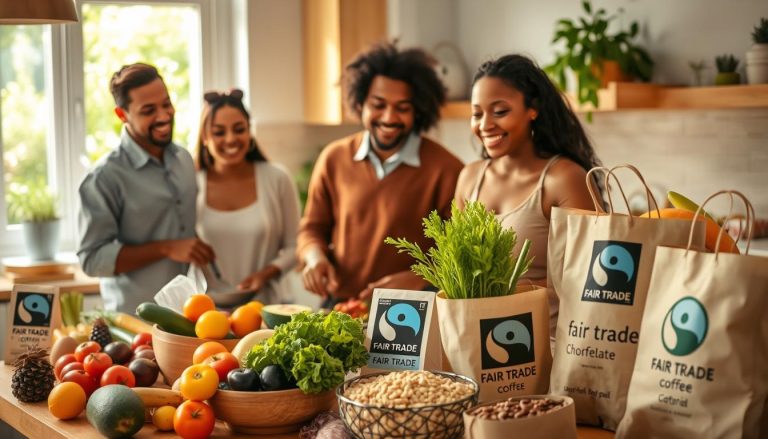
When you’re looking for gluten-free products, check for certifications. Look for the Gluten-Free Certification Organization (GFCO) or the Celiac Support Association (CSA). These groups make sure products are really gluten-free.
These certifications mean the product has been tested. It must have less than 20 parts per million (ppm) of gluten. This makes it safe for people with celiac disease or gluten sensitivity.
Identifying Hidden Gluten Sources
Some foods might have hidden gluten. Watch out for “malt,” “maltodextrin,” or “modified food starch.” These can come from gluten grains.
Always read the ingredient list closely. If you’re not sure about an ingredient, reach out to the maker for help.
The Importance of Ingredient Awareness
Knowing what’s in your food is essential for a gluten-free diet. It’s not just about avoiding gluten. It’s about making choices that are good for your health.
By learning to read labels and find gluten-free products, you can shop with confidence. You can enjoy a wide range of gluten free recipes.
Resources for the Gluten-Free Lifestyle
Starting a gluten-free lifestyle can be tough, but the right tools make it easier. Whether you have celiac disease or just prefer gluten-free, having good info and support is key.
Recommended Cookbooks and Websites
Looking for tasty gluten-free recipes? Check out cookbooks from trusted authors and websites focused on gluten-free living. They’re full of tips on cooking gluten-free and finding substitutes.
Support Groups and Communities
Meeting others with similar dietary needs is super helpful. Join online forums, support groups, or local groups to swap recipes and advice. It’s a great way to stay on track and inspired on your gluten-free path.
Apps for Managing Gluten-Free Living
There are apps that help you manage your gluten-free diet. They let you scan barcodes and find gluten-free places to eat. These tools make it simpler to follow your gluten-free diet, even when you’re out and about.
Using these resources, you can make smart choices and keep a balanced gluten-free diet. This supports your health and wellbeing.